fes

Blog

  • LEISURE | Festival Guide (EN)

    LEISURE | Festival Guide (EN)

    Overview

    LEISURE is an emerging cultural and music festival held in the coastal city of Del Mar, California, United States. Set for November 8, 2025, the event will take place at The Sound, a modern indoor venue known for its exceptional acoustics and intimate atmosphere. While the festival’s name suggests relaxation, LEISURE is far from laid-back in its creative ambition—it is a carefully curated celebration of sound, style, and sensory experience.

    The event embodies the essence of California’s coastal lifestyle, merging live performances, visual art, and community spirit. Del Mar’s ocean breeze, upscale dining, and scenic beauty create a naturally inviting environment, making LEISURE an ideal destination for both seasoned festival-goers and first-time attendees. The festival’s single-day format allows for a concentrated experience, where every moment is designed to be memorable.

    LEISURE’s organizers emphasize quality over quantity—selecting a limited number of artists, designers, and collaborators to maintain an atmosphere of exclusivity and artistic integrity. The result is a boutique-style festival that feels immersive yet approachable, sophisticated yet spontaneous. Attendees can expect a blend of established acts and rising talents across genres such as indie pop, electronic, soul, and alternative R&B, as well as interactive installations and curated food and beverage experiences.

    For those seeking a festival that balances energy and elegance, LEISURE represents a new kind of cultural celebration on the West Coast—one that values artistry, connection, and, of course, leisure.

    Highlights

    LEISURE distinguishes itself through its attention to detail, atmosphere, and overall experience. Each component—from the lineup to the lighting design—is conceived to evoke a sense of harmony and exploration. Here are some of the key highlights that make the festival special:

    • Curated Music Programming: The festival’s musical lineup is handpicked to create a seamless journey through sound. Expect a balance of live bands, electronic producers, and genre-blending acts that reflect the modern musical landscape.
    • Immersive Visuals and Lighting: The Sound’s advanced lighting and projection systems enable immersive experiences that complement the performances, turning the venue into a living canvas of color and motion.
    • Art Installations and Design: Local and international artists contribute visual works that transform the festival space into a multisensory environment. Expect installations that encourage interaction, reflection, and photo-worthy moments.
    • Culinary Offerings: LEISURE partners with local chefs and beverage experts to provide a range of food and drink options that go beyond typical festival fare. Attendees can enjoy craft cocktails, local wines, and fresh California cuisine.
    • Community and Sustainability: The festival promotes eco-friendly practices and community engagement. Recycling initiatives, sustainable materials, and local partnerships reflect a broader commitment to responsible event production.
    • Intimate Venue Experience: Unlike sprawling outdoor festivals, LEISURE’s setting inside The Sound allows for close proximity to performers, ensuring that every attendee feels part of the performance.

    Together, these elements create a holistic event that celebrates creativity in all its forms. The result is not just a festival but a curated cultural moment.

    Venue & Access

    The Sound, located in Del Mar, serves as the central hub for LEISURE. This state-of-the-art venue is part of the Del Mar Fairgrounds complex and has quickly gained a reputation as one of Southern California’s premier mid-sized concert spaces. Its design balances modern comfort with acoustic excellence, making it particularly suited for immersive live performances.

    Del Mar itself is a picturesque coastal community situated just north of San Diego. Known for its beaches, relaxed sophistication, and oceanfront dining, it provides an ideal backdrop for a festival that values both culture and comfort.

    Getting to LEISURE is straightforward:

    • By Car: The venue is easily accessible via Interstate 5. Parking is typically available at or near the Fairgrounds, though attendees are encouraged to carpool or use rideshare services to reduce congestion.
    • By Train: The nearby Solana Beach Station connects Del Mar to San Diego, Los Angeles, and other coastal cities via Amtrak and Coaster services. Shuttle or short rideshare options are available from the station to The Sound.
    • By Air: The closest major airport is San Diego International Airport (SAN), approximately a 25–30 minute drive from Del Mar. For visitors traveling from out of state or abroad, this provides convenient access to the festival.

    Inside The Sound, attendees can expect comfortable seating options, multiple bars, and a layout that allows for clear sightlines from nearly every vantage point. Accessibility accommodations are available, ensuring that all guests can enjoy the event with ease.

    Tickets & Price Range

    Tickets for LEISURE are available through the official sales platform at Ticketmaster. As with most festivals, pricing varies depending on the type of ticket and availability tiers, which may include general admission, VIP, and premium experience options.

    While exact pricing is not listed here, attendees can generally expect a range that reflects the festival’s boutique scale and high production values. VIP packages may include perks such as priority entry, reserved seating or viewing areas, and exclusive merchandise.

    Early purchase is recommended, as LEISURE’s limited-capacity design means tickets may sell out quickly. Those planning to attend should monitor the official site for announcements related to additional ticket releases or promotional offers.

    For the most accurate and up-to-date ticket information, visit the official ticket page.

    Past Lineups & Vibe

    Although LEISURE is a relatively new addition to the festival circuit, its early editions have already established a strong identity. Past lineups have featured a mix of critically acclaimed artists and emerging performers across genres that emphasize mood, texture, and emotional resonance. The festival’s curators focus on crafting a flow that feels organic, allowing each artist to contribute to a larger narrative rather than simply filling a time slot.

    The atmosphere at LEISURE is often described as intimate yet dynamic. Attendees gather not only for the music but for the shared sense of discovery and connection. The Sound’s layout encourages mingling, and the absence of large outdoor crowds gives the event a more personal character. Lighting and stage design play key roles in setting the tone, shifting seamlessly from subdued, ambient hues during mellow sets to vibrant displays during high-energy performances.

    Beyond the performances, LEISURE has become known for its visual aesthetics and attention to detail. The décor often incorporates coastal influences—soft lighting, natural textures, and minimalist design elements that reflect Del Mar’s seaside elegance. Festival-goers frequently note how the event feels both elevated and relaxed, a rare balance in the modern festival landscape.

    The festival’s community also contributes significantly to its vibe. Attendees tend to share an appreciation for both artistry and atmosphere, creating a respectful and engaged crowd. Whether you’re standing close to the stage or enjoying a drink at one of the venue’s bars, the shared enthusiasm for music and creativity is palpable.

    For a glimpse of the festival’s energy and past performances, you can explore the official YouTube content at this link.

    Tips for First-time Visitors

    Attending LEISURE for the first time can be an unforgettable experience, especially if you prepare thoughtfully. Here are some tips to help you make the most of your visit:

    • Plan Your Arrival: Arrive early to explore the venue, locate facilities, and settle in before performances begin. The Sound opens its doors well before showtime, allowing guests to get comfortable.
    • Dress Comfortably but Stylishly: LEISURE’s crowd tends to favor a casual yet refined aesthetic. Lightweight layers and comfortable shoes are recommended, as temperatures in Del Mar can vary slightly between afternoon and evening.
    • Discover Local Dining: If you have time before or after the festival, explore Del Mar’s restaurants and cafes. Many local spots feature ocean views and menus emphasizing fresh, seasonal ingredients.
    • Stay Hydrated: Even in an indoor venue, it’s easy to forget to drink enough water. Bring a reusable water bottle if permitted, or take advantage of the venue’s water stations.
    • Use Public Transit or Rideshare: Parking can be limited during major events. Using public transit or rideshare services will help you avoid traffic stress and ensure a smooth arrival and departure.
    • Engage with the Art: LEISURE is as much about visual and experiential art as it is about music. Take time to interact with installations, read about the artists, and appreciate the thought that goes into each piece.
    • Respect the Space and Community: The festival’s charm depends on its atmosphere of respect and inclusivity. Treat staff, performers, and fellow attendees with kindness, and help maintain the venue’s cleanliness.
    • Capture Memories Mindfully: While photography is encouraged, be present in the moment. Sometimes the best memories are the ones you experience fully without a screen between you and the stage.
    • Check the Schedule in Advance: Keep an eye on the festival’s official channels for the latest set times and updates. Planning ahead ensures you won’t miss your favorite performances.

    These simple steps can help transform your LEISURE experience from enjoyable to truly exceptional.

    Useful Links

    To stay informed and connected, use the official resources below:

    For broader travel planning, visitors may also wish to explore local tourism resources for Del Mar and San Diego County, which offer guidance on accommodations, transportation, and nearby attractions. Combining LEISURE with a weekend getaway can turn the festival into a full-fledged coastal retreat.

    Lineup, dates, and prices are subject to change. Please check the official sources for the latest information.

  • THE HOME TEAM THE CRUCIBLE OF LIFE TOUR | Festival Guide (EN)

    THE HOME TEAM THE CRUCIBLE OF LIFE TOUR | Festival Guide (EN)

    Overview

    THE HOME TEAM THE CRUCIBLE OF LIFE TOUR in San Diego is set to be one of the most anticipated live music events of late 2025. Taking place at the renowned House of Blues San Diego on November 8, 2025, this stop of the tour brings together fans of modern rock, pop-punk, and alternative music for an unforgettable night. The Home Team, known for their dynamic performances and genre-blending sound, will headline the event, creating an atmosphere that celebrates the energy and emotion of live performance.

    The tour’s title, The Crucible of Life, suggests a transformative musical journey — one that reflects both the band’s evolution and their ability to connect deeply with their audience. San Diego, with its vibrant coastal culture and passionate music scene, provides the perfect backdrop for this tour stop. Fans can expect a high-energy show that combines powerful vocals, intricate guitar work, and an immersive stage production.

    This guide offers a detailed look at what to expect from the event — from highlights and venue information to ticketing and practical tips for first-time visitors. Whether you’re a longtime fan or discovering The Home Team for the first time, this comprehensive overview will help you make the most of your experience.

    Highlights

    The San Diego edition of THE HOME TEAM THE CRUCIBLE OF LIFE TOUR promises a blend of musical intensity, fan interaction, and production quality that stands out even among major touring acts. Here are some of the key highlights attendees can look forward to:

    • Dynamic Performance: The Home Team are known for their charismatic stage presence and tight musicianship. Expect a setlist covering both fan favorites and newer material from their evolving discography.
    • Immersive Lighting and Sound: The House of Blues’ state-of-the-art sound system and lighting design will amplify the band’s energy, providing a multisensory experience that complements their music.
    • Community and Connection: The band’s shows often feel like a gathering of friends rather than a standard concert, with plenty of audience interaction and singalong moments.
    • Exclusive Tour Merchandise: Limited-edition merchandise will likely be available, giving fans a chance to take home a tangible memory of the night.
    • San Diego’s Nightlife: Located in the heart of downtown, the venue is surrounded by restaurants, bars, and attractions, making it easy to extend the night before or after the show.

    If you want a preview of The Home Team’s live energy, check out a performance clip on YouTube. It offers a glimpse of the passion and precision that define their concerts.

    Venue & Access

    The House of Blues San Diego is one of the city’s most beloved live music destinations. Located in the Gaslamp Quarter, it’s easily accessible and known for its intimate yet powerful atmosphere. The venue’s design combines Southern-inspired decor with modern amenities, ensuring both comfort and great acoustics. Its size allows for a close connection between performers and the audience, making every show feel personal.

    For those coming from outside San Diego, the city’s well-developed transportation network makes it convenient to reach the venue:

    • By Public Transit: The San Diego Trolley’s Green and Orange Lines stop nearby, offering an easy route to the Gaslamp Quarter.
    • By Car: Multiple parking structures are available within walking distance. It’s advisable to arrive early to secure a space, especially on weekends.
    • By Rideshare: Services like Uber and Lyft are common in the area, with designated drop-off zones near the venue.
    • Nearby Amenities: The surrounding district is filled with dining options, from quick bites to upscale restaurants, as well as hotels for those staying overnight.

    Inside, the House of Blues offers multiple viewing areas, including general admission standing space and elevated balconies. The layout ensures clear sightlines from nearly every spot, and the staff are known for maintaining a welcoming environment for diverse audiences.

    Tickets & Price Range

    Tickets for THE HOME TEAM THE CRUCIBLE OF LIFE TOUR in San Diego are available through Ticketmaster. Pricing typically varies depending on availability, seating preferences, and purchase timing, but fans can expect a range reflecting both general admission and potential VIP packages.

    To ensure an authentic ticket-buying experience, always purchase through official channels. Avoid third-party resellers that may charge inflated prices or offer invalid tickets. The official event page provides the most accurate and up-to-date information on availability and any special promotions.

    If you’re planning to attend with friends, it’s recommended to coordinate purchases early. Shows at the House of Blues often sell out quickly, particularly for high-profile tours like this one.

    Past Lineups & Vibe

    While this event centers on The Home Team, the band’s tours have historically featured complementary acts that align with their energetic yet melodic sound. Past lineups across their tours have included emerging artists from the alternative, pop-punk, and post-hardcore scenes, creating a dynamic and cohesive concert experience.

    The overall vibe of a Home Team show is one of inclusivity and enthusiasm. Fans are known for their devotion and positivity, often forming lasting connections during the event. The crowd energy typically builds throughout the night, culminating in a euphoric shared experience that reflects the band’s message of growth and resilience.

    The House of Blues, with its intimate floor and balcony setup, enhances this atmosphere. The venue’s acoustics allow every instrument and vocal layer to shine, while the lighting design adds visual drama to the performance. Expect a mix of high-octane moments and emotional interludes, as The Home Team’s setlist usually balances intensity with introspection.

    For those who have followed the band’s journey, this tour marks another milestone. It’s both a celebration of their past work and a glimpse into their future creative direction. The “Crucible of Life” theme suggests a focus on transformation — a fitting metaphor for a live show that pushes boundaries while staying true to the band’s roots.

    Tips for First-time Visitors

    Attending your first major concert at the House of Blues San Diego can be exhilarating. To make the most of your experience during THE HOME TEAM THE CRUCIBLE OF LIFE TOUR, consider the following practical tips:

    • Arrive Early: Doors typically open well before the show starts. Arriving early not only secures a better viewing spot but also allows time to explore the venue and grab refreshments.
    • Dress Comfortably: The atmosphere is lively, and you’ll likely be standing and moving throughout the night. Comfortable shoes and breathable clothing are recommended.
    • Hydrate and Eat: The venue offers food and drinks, but it’s smart to have a meal beforehand. Staying hydrated ensures you’ll have the stamina to enjoy the full performance.
    • Bring Only Essentials: Security checks are standard, and large bags may not be allowed. Keep your belongings light and secure.
    • Respect Fellow Fans: Concerts thrive on shared energy. Be mindful of personal space, follow venue etiquette, and help maintain the positive community vibe that defines The Home Team’s shows.
    • Capture Memories Responsibly: While photos and short clips are often permitted, avoid obstructing others’ views or using flash. The best memories come from being present in the moment.
    • Plan Your Exit: After the show, the Gaslamp Quarter can be busy. Arrange transportation ahead of time or enjoy a post-concert meal nearby while traffic clears.

    Following these tips will help ensure a smooth and enjoyable concert experience, whether you’re a local San Diegan or a traveler experiencing the city’s music culture for the first time.

    Useful Links

    For the latest updates, always refer to official sources. Tour details, support acts, and venue policies may evolve as the event approaches.

    Lineup, dates, and prices are subject to change. Please check the official sources for the latest information.

  • Sudan Archives | Festival Guide (EN)

    Sudan Archives | Festival Guide (EN)

    Overview

    Sudan Archives is the stage name of Los Angeles-based violinist, singer, and producer Brittney Parks, known for blending classical string arrangements with experimental R&B, electronic textures, and African rhythms. Her live performances are celebrated for their inventive energy and genre-defying artistry. In 2026, she brings her unique sound to The Triffid in Newstead, Australia, for a one-night performance on March 5, 2026. This event is part of her global tour, connecting audiences through a mix of soulful vocals, intricate beats, and violin-driven melodies.

    The show promises to be an immersive journey through Sudan Archives’ evolving catalogue, including material from her acclaimed albums and EPs. Fans can expect a blend of experimental soundscapes and emotional storytelling that highlights her growth as an artist. The Triffid, one of Brisbane’s most beloved mid-sized venues, offers an intimate yet dynamic setting that perfectly complements Sudan Archives’ boundary-pushing artistry.

    For those who appreciate innovative live music experiences that bridge continents and cultures, this event represents a rare opportunity to witness one of the most distinct voices in contemporary music performing in Australia. More details are available on the festival detail page.

    Highlights

    Sudan Archives’ concerts are renowned for their emotional intensity and sonic experimentation. Her performances often feature live looping, violin improvisation, and striking visual presentation. Audiences are drawn not just to the music but also to the sense of empowerment and individuality that she communicates through her art.

    • Genre Fusion: Expect a seamless blend of electronic beats, R&B grooves, and traditional African and classical influences.
    • Dynamic Stage Presence: Sudan Archives commands the stage with charisma and authenticity, using her violin as both a melodic and percussive instrument.
    • Intimate Venue: The Triffid’s warm acoustics and compact layout allow for close connection between artist and audience.
    • Exclusive Australian Date: This Newstead performance marks a significant moment for fans in the region, as opportunities to see her in such a setting are rare.
    • Visual Experience: Lighting and stage design often reflect the ethereal and futuristic aesthetic of her music videos and album artwork.

    For a taste of her performance style, check out her official YouTube video which captures the energy and creativity that define her live shows.

    Venue & Access

    The Triffid is located in Newstead, a vibrant inner suburb of Brisbane, Queensland, Australia. Housed in a converted World War II aircraft hangar, the venue has become a cultural hub for live music, offering a blend of industrial charm and high-quality acoustics. Its layout includes both indoor and outdoor spaces, a bar area, and a relaxed garden courtyard, making it ideal for pre-show gatherings and post-show discussions.

    Getting There

    • By Public Transport: The venue is well-served by local buses and trains. The Bowen Hills and Fortitude Valley stations are within walking distance, connecting easily to central Brisbane.
    • By Car: Limited street parking is available in the surrounding area, but attendees are encouraged to use public transport or ride-share services due to the popularity of the venue.
    • By Bicycle: Newstead’s bike-friendly infrastructure makes cycling a convenient and eco-friendly option for locals.

    Facilities

    • Full-service bar and kitchen offering a range of local beverages and snacks.
    • Accessible entry and designated viewing areas for patrons with mobility needs.
    • Merchandise stand featuring tour-exclusive items and music releases.
    • Outdoor courtyard for socializing before and after the show.

    The Triffid’s combination of atmosphere and acoustics has earned it a reputation as one of the best live music spaces in the region. Its scale ensures that every audience member can experience the performance up close, fostering a sense of shared discovery that suits Sudan Archives’ artistic vision.

    Tickets & Price Range

    Tickets for Sudan Archives at The Triffid are available through Moshtix, the official ticketing partner. Early purchase is recommended due to the limited capacity of the venue and the artist’s growing international following.

    While exact prices may vary based on availability and release phases, ticket categories typically include general admission and possible VIP or reserved options. Fans should check the official ticketing page for the most current information on availability, age restrictions, and any package inclusions such as merchandise or meet-and-greet opportunities.

    Tickets can also be accessed through the event’s official site, which provides details on entry times, refund policies, and accessibility provisions.

    Past Lineups & Vibe

    Although this is a solo headline show rather than a multi-day festival, The Triffid has hosted numerous acclaimed artists across genres—ranging from indie rock and soul to electronic and hip-hop—making it a trusted venue for discovering innovative performers. Sudan Archives’ upcoming appearance fits perfectly within that tradition of artistic diversity.

    Her previous performances at international festivals such as Coachella, Pitchfork Music Festival, and Glastonbury have showcased her ability to captivate large audiences while maintaining an intimate feel. Fans often describe the experience as transformative: a blend of danceable rhythms, thoughtful lyricism, and spontaneous musical exploration.

    The atmosphere at her shows tends to be inclusive and celebratory. Attendees are encouraged to move freely, express themselves, and connect with the emotional core of the music. Expect a crowd that values creativity, authenticity, and a shared appreciation for forward-thinking sound design.

    Musical Style and Influence

    Sudan Archives draws inspiration from a wide range of sources, including Sudanese fiddling traditions, electronic production, and contemporary R&B. Her ability to merge these elements has positioned her as a singular voice in modern music. The live setting amplifies these qualities, turning each performance into a dialogue between artist and audience.

    Tips for First-time Visitors

    If you’re attending Sudan Archives’ Newstead show for the first time, a bit of preparation will help you make the most of your experience. From travel logistics to on-site etiquette, the following tips are designed to ensure a smooth and enjoyable evening.

    • Arrive Early: Doors usually open well before the main performance. Arriving early allows you to explore the venue, secure a good spot, and enjoy opening acts if scheduled.
    • Plan Your Transport: Given the limited parking, consider using public transport or ride-sharing apps. Check the latest schedules to avoid post-show delays.
    • Stay Hydrated: The Triffid’s bar offers a variety of beverages—take advantage of water stations to stay comfortable throughout the night.
    • Respect the Space: The venue’s intimate design encourages interaction, but be mindful of others’ personal space, especially during crowded moments.
    • Capture Memories Responsibly: While photography is often permitted, avoid obstructing others’ views or using flash during performances.
    • Merchandise: Official merchandise is usually available. Purchasing directly from the stand supports the artist and ensures authenticity.
    • Dress Comfortably: The performance area can get lively; wear breathable clothing and shoes suitable for standing or dancing.
    • Engage with the Community: The Triffid’s audience is known for its friendliness. Strike up conversations with fellow fans—many share a deep appreciation for experimental and genre-bending music.

    Above all, approach the event with an open mind. Sudan Archives’ music thrives on spontaneity and personal interpretation; every listener experiences it differently. Whether you’re a long-time fan or a newcomer, the show promises to leave a lasting impression.

    Useful Links

    Lineup, dates, and prices are subject to change. Please check the official sources for the latest information.
  • Basement Jaxx | Festival Guide (EN)

    Basement Jaxx | Festival Guide (EN)

    Overview

    The Basement Jaxx live event in Adelaide, Australia, scheduled for March 3, 2026, promises to be an electrifying night at the Hindley St Music Hall. Known worldwide for their genre-blending electronic sound, the British duo Basement Jaxx have built a reputation for high-energy performances that merge house, funk, soul, and carnival-inspired rhythms. Their shows are not just concerts—they are fully immersive experiences that combine dazzling visuals, live vocals, and spontaneous improvisation.

    This Adelaide appearance is part of a global series of performances that celebrate the group’s extensive catalog of hits and their legacy in shaping the modern dance music scene. Fans can expect a mix of classic tracks, live instrumentation, and the kind of crowd interaction that has made Basement Jaxx a household name in electronic music. For one night only, Hindley St Music Hall will transform into a pulsating dance floor, uniting longtime fans and newcomers alike under the shared rhythm of music and movement.

    The event is organized in collaboration with local promoters and supported by Moshtix, ensuring a seamless ticketing experience and adherence to Adelaide’s vibrant live-music standards. Whether you’re a devoted follower of electronic music or simply looking for a night of unforgettable energy, this show promises a unique intersection of sound, culture, and community.

    Highlights

    Basement Jaxx are renowned for their ability to blend the intimacy of club culture with the spectacle of arena-scale production. The Adelaide show will likely continue this tradition, featuring:

    • Dynamic Stage Production: Expect a fusion of LED visuals, live percussion, and theatrical lighting designed to bring their eclectic soundscapes to life.
    • Live Vocals and Guest Musicians: Historically, Basement Jaxx have collaborated with a wide range of vocalists and instrumentalists, bringing a human touch to their electronic foundation.
    • Genre-Spanning Setlist: The performance will likely traverse their broad discography, from early underground house tracks to chart-topping anthems that defined the early 2000s dance scene.
    • Interactive Crowd Energy: The duo’s spontaneity means no two shows are ever the same. Audience participation and improvisation are key elements of their performance style.

    For a glimpse into their live aesthetic and performance energy, fans can check out a past show highlight on YouTube. This video offers a taste of what to expect—vivid visuals, infectious rhythms, and a crowd united by the beat.

    Venue & Access

    The Hindley St Music Hall in Adelaide is one of South Australia’s premier live music venues. Located in the heart of the city’s entertainment district, it offers state-of-the-art acoustics, a spacious dance floor, and excellent sightlines from every angle. The venue has hosted international acts across genres, from indie rock to electronic and hip-hop, and is known for its intimate yet high-capacity setting.

    Getting to the venue is straightforward:

    • By Public Transport: The Adelaide Railway Station is only a short walk away, and several bus routes operate along Hindley Street and North Terrace.
    • By Car: Parking is available in nearby public car parks, though spaces can fill up quickly on event nights. Consider arriving early or using rideshare services.
    • Accessibility: Hindley St Music Hall provides accessible entry points and facilities. Patrons requiring special assistance are encouraged to contact the venue in advance.

    Once inside, visitors can expect a modern environment with multiple bars, efficient crowd flow, and a sound system engineered for clarity and punch—perfect for the rich layers of Basement Jaxx’s production. The location also benefits from its proximity to Adelaide’s nightlife, making it easy to continue the celebration after the show in nearby bars and restaurants.

    Tickets & Price Range

    Tickets for Basement Jaxx in Adelaide are available exclusively through Moshtix. The platform provides secure purchasing, digital ticket delivery, and customer support to ensure a smooth experience.

    While exact prices are subject to confirmation, ticket options typically include general admission standing and, in some cases, balcony or VIP upgrades depending on the venue configuration. Given the popularity of Basement Jaxx’s live events, early purchase is highly recommended to avoid disappointment.

    Fans should also monitor the official ticket page for updates regarding availability, age restrictions, and any special event guidelines. Moshtix often offers mobile ticket scanning at the entrance, so it’s advisable to have your smartphone fully charged and tickets downloaded prior to arrival.

    Past Lineups & Vibe

    Basement Jaxx have headlined festivals and venues around the world, from Glastonbury and Coachella to smaller, more intimate club shows. Their performances are celebrated for their inclusivity, joy, and theatrical presentation. The duo—Felix Buxton and Simon Ratcliffe—emerged from London’s underground scene in the 1990s, quickly redefining the possibilities of electronic music with their fusion of house, Latin, and world influences.

    Their live shows often feature a rotating cast of vocalists, percussionists, and dancers, creating a carnival-like experience that transcends the boundaries of typical DJ sets. Audiences can expect a visual feast: vibrant costumes, choreographed lighting, and spontaneous moments that keep the energy unpredictable and alive.

    Previous tours have drawn enthusiastic crowds across continents, with critics frequently praising the group’s ability to balance nostalgia with innovation. Whether performing in open-air festivals or enclosed theaters, Basement Jaxx have consistently delivered an atmosphere of unity and celebration. Fans in Adelaide can anticipate a similar vibe—an evening where electronic beats meet human warmth, and every track invites collective movement.

    The crowd at Hindley St Music Hall is likely to reflect Adelaide’s diverse music community: a blend of long-time dance music followers, younger fans discovering the duo for the first time, and local creatives drawn to the spectacle of a world-class performance. The result is a shared sense of excitement that extends beyond the stage, turning the entire venue into a living, breathing dance floor.

    Tips for First-time Visitors

    Attending a high-profile live show like Basement Jaxx’s Adelaide performance can be a thrilling experience, especially for those new to the city or the venue. Here are some tips to help you make the most of your night:

    • Arrive Early: Doors typically open well before the main act. Arriving early allows you to secure a good spot on the floor and enjoy any supporting DJs or performers.
    • Dress Comfortably: Expect to dance. Lightweight clothing and comfortable shoes will make a big difference over the course of the evening.
    • Stay Hydrated: Dancing and the excitement of the crowd can be intense. Most venues provide free water stations or bar access—take advantage of them.
    • Bring Valid ID: As Hindley St Music Hall is a licensed venue, identification is required for entry. Check the event listing for age restrictions before purchasing tickets.
    • Plan Your Transport: Public transport runs late on weekends, but always confirm schedules in advance. Pre-booking a rideshare or taxi for after the show can save time.
    • Respect the Vibe: Basement Jaxx shows are about inclusivity and enjoyment. Be mindful of others on the dance floor, and embrace the communal spirit that defines their performances.
    • Follow Health & Safety Guidelines: Event policies may evolve depending on local regulations. Review the latest updates from official sources before attending.

    For those traveling from outside Adelaide, consider extending your stay to explore the city’s cultural offerings. The central location of Hindley St Music Hall makes it easy to visit nearby attractions like Rundle Mall, Adelaide Central Market, and the Art Gallery of South Australia. The city’s compact layout and friendly atmosphere make it ideal for a weekend getaway centered around music and discovery.

    Useful Links

    Each of these resources provides verified information about the event, from ticket sales to artist updates. Bookmark them for quick access as the concert date approaches.

    Lineup, dates, and prices are subject to change. Please check the official sources for the latest information.
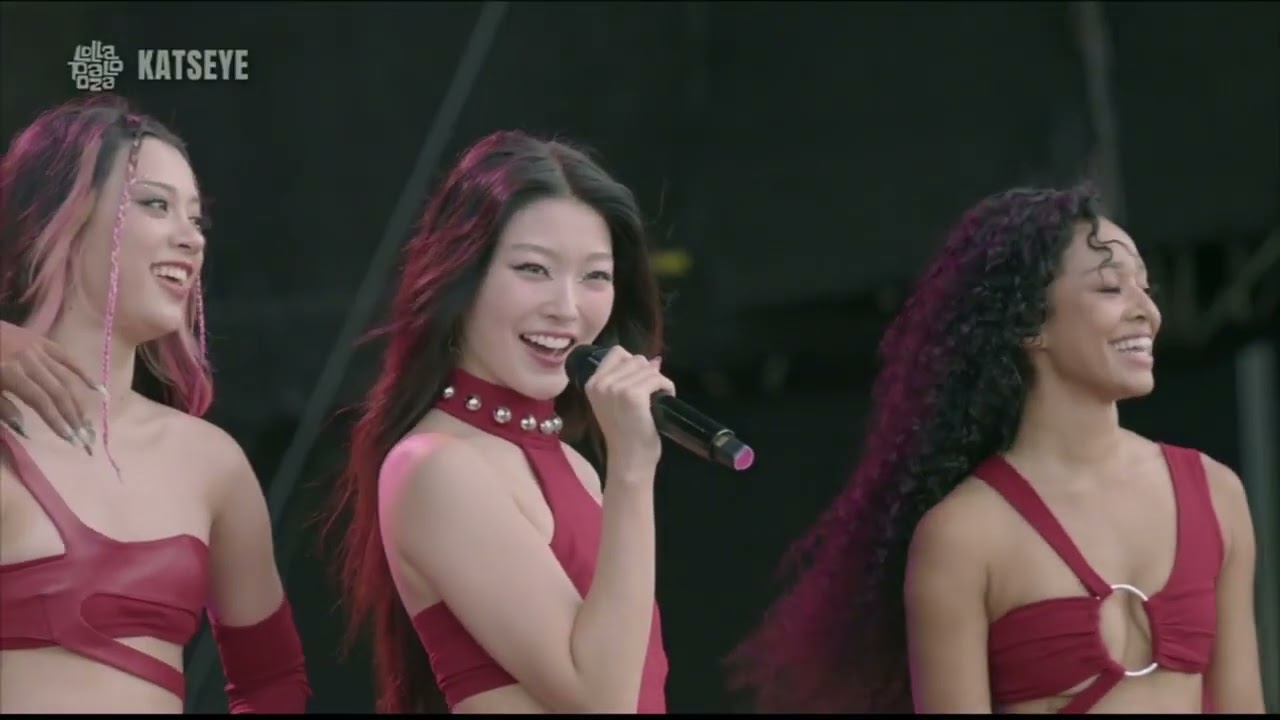
  • Primavera Sound Complete Guide | History, Highlights & Lineups

    Primavera Sound Complete Guide | History, Highlights & Lineups

    Basic Information

    Primavera Sound is one of Europe’s most influential music festivals, held annually in Barcelona, Spain. Since its inception in 2001, the event has grown from a modest gathering for local indie fans into an internationally acclaimed celebration of alternative and cutting-edge music. The festival typically takes place in late May or early June, marking the beginning of the European summer festival season. Its home is the Parc del Fòrum, a striking waterfront venue in Barcelona’s Sant Adrià area, which provides a distinctive urban backdrop for days and nights of live music.

    The festival’s name, “Primavera,” means “spring” in Spanish, symbolizing renewal and discovery—two qualities that have defined its evolution. While many large-scale festivals focus on mainstream headliners, Primavera Sound has built its reputation on curating adventurous, genre-spanning lineups that balance legendary acts with emerging artists. Over the years, it has become a meeting point for fans, musicians, and industry professionals who value artistic integrity and musical exploration.

    Primavera Sound is organized by Primavera Sound S.L., a Barcelona-based company that also runs the record label and booking agency Primavera Labels and the technology-oriented conference Primavera Pro. The festival’s influence extends beyond Spain, with sister editions launched in cities such as Porto (Portugal), Madrid, and even Latin America, including Buenos Aires, São Paulo, and Bogotá. Despite this international expansion, the Barcelona edition remains the flagship event, celebrated for its unique combination of cosmopolitan energy, seaside setting, and forward-thinking programming.

    Notable Lineup Tendencies

    Primavera Sound is widely recognized for its curatorial approach rather than for any single headline act. Each edition is designed to reflect the changing landscape of global music, blending established icons with the most interesting new voices across genres. The festival’s booking philosophy emphasizes musical diversity and artistic credibility, often bringing together acts that rarely share the same bill elsewhere.

    Over the years, Primavera Sound has hosted a remarkable range of artists representing indie rock, electronic music, experimental pop, hip hop, and many hybrid forms. Legendary alternative bands, cult favorites, and underground innovators often coexist on the same stage roster. The festival has become a rite of passage for many indie and alternative musicians who, after building dedicated followings, make their major European festival debut at Primavera.

    One of the defining features of Primavera Sound’s lineup is its commitment to gender balance and inclusivity. In 2019, the festival announced a milestone by presenting a lineup that achieved near gender parity—a move that positioned it as a leader in promoting equality within the live music industry. This progressive stance continues to shape its identity, influencing other festivals to follow suit.

    Beyond gender equity, Primavera Sound is known for its genre-fluid booking. While guitar-driven indie remains a core component, the festival has embraced electronic producers, experimental composers, and global pop innovators. This open-mindedness has allowed it to capture the zeitgeist of contemporary music more accurately than many peers. Whether showcasing noise rock veterans, ambient pioneers, or avant-garde rappers, Primavera Sound consistently offers a panoramic view of modern sound culture.

    Venue & Environment

    The festival’s main site, Parc del Fòrum, is a modern architectural complex located by the Mediterranean Sea. Built for the 2004 Universal Forum of Cultures, it features expansive concrete terraces, open-air plazas, and striking geometric structures that lend a futuristic atmosphere. The venue’s proximity to the water provides cooling breezes and stunning coastal views, especially at sunset when the city’s skyline glows in the distance.

    Parc del Fòrum is well-suited for large-scale events, offering multiple stages spread across a vast area. The main stages are positioned near the waterfront, while smaller stages and DJ areas are tucked into different corners, creating distinct sonic environments. The site’s design allows for smooth crowd movement and clear sound separation between stages, a crucial factor for a festival with such a diverse lineup.

    In addition to the main festival grounds, Primavera Sound often extends into the city through club shows, pre-parties, and after-hours events. These satellite activities transform Barcelona into a week-long celebration of music and creativity. Local venues such as Sala Apolo and Razzmatazz frequently host associated performances, allowing attendees to explore the city’s nightlife and musical heritage.

    Accessibility is another key consideration. The venue is reachable via public transportation, including metro, tram, and bus lines. The organizers also provide guidance for attendees with mobility needs, ensuring that stages, rest areas, and services are inclusive and easy to navigate. Sustainability initiatives—such as waste reduction, reusable cup systems, and environmentally conscious food vendors—have become increasingly visible in recent editions, reflecting a growing commitment to responsible event management.

    Music Style

    Primavera Sound’s artistic identity is rooted in the independent and alternative scenes, but its scope extends far beyond those categories. The festival’s curators take pride in bridging the gap between underground experimentation and broader cultural relevance. As a result, the soundscape of Primavera Sound is eclectic yet coherent, unified by an ethos of discovery.

    The indie and alternative rock tradition remains at the festival’s core. Many attendees associate Primavera Sound with the golden era of 1990s and 2000s indie, when bands from the United States, the United Kingdom, and continental Europe helped define the modern festival aesthetic. Yet, electronic music has also become a major pillar, ranging from ambient sets and modular synth performances to club-oriented techno and house.

    Hip hop and R&B have gained a stronger presence in recent years, reflecting the genre’s global dominance and its crossover with experimental production. Similarly, Latin alternative, global pop, and hybrid electronic acts have expanded the festival’s cultural reach, resonating with Barcelona’s diverse population and international visitors. This blend of styles makes Primavera Sound a microcosm of contemporary music, where genre boundaries blur and creativity thrives.

    Sound quality is a hallmark of the festival. Each stage is equipped with high-end audio systems designed to deliver clarity and depth, even in open-air conditions. The organizers are known for prioritizing acoustics and stage design, ensuring that performances maintain their artistic integrity. This attention to sonic detail is part of what attracts discerning listeners who value the nuances of live sound.

    Crowd & How to Enjoy

    The Primavera Sound audience is a cosmopolitan mix of music enthusiasts from around the world. While many attendees come from Spain, a significant portion travel from the United Kingdom, France, the United States, Japan, and other countries. The festival’s reputation as a tastemaker event draws a community of listeners who are deeply engaged with music culture—fans who read liner notes, follow independent labels, and discover new artists through word of mouth.

    Because of its diverse lineup, the crowd encompasses a wide range of ages and backgrounds. You will find veteran concertgoers who have attended since the early 2000s alongside younger fans experiencing their first major festival. The atmosphere is generally relaxed and respectful, focused more on listening and discovery than on spectacle or partying. That said, the late-night sets and beachside location ensure that there is still plenty of energy and celebration.

    Enjoying Primavera Sound often means embracing its marathon-like schedule. With performances running from late afternoon until dawn, pacing is essential. Many attendees plan their itineraries carefully, balancing must-see acts with moments of rest and exploration. The festival’s app and printed guides help visitors navigate overlapping performances and find amenities such as food stalls, chill zones, and merchandise stands.

    Food and drink options reflect Barcelona’s culinary scene, offering a mix of local specialties and international cuisine. From tapas and paella to vegan street food, the variety caters to different tastes and dietary needs. Bars serve local beers and cocktails, while water stations are available throughout the site. The Mediterranean climate can be warm even at night, so staying hydrated and protected from the sun during daytime sets is essential.

    Beyond the music, the festival’s seaside location provides opportunities for relaxation. Some attendees spend mornings at the beach or exploring the city’s architecture before heading to the Parc del Fòrum in the afternoon. The combination of urban culture, coastal beauty, and musical immersion is part of what makes Primavera Sound unique. For those who value both intellectual and sensory experiences, the festival offers a perfect balance.

    Tips for First-Timers

    • Plan Your Schedule: With dozens of artists performing each day, overlapping sets are inevitable. Use the official app or website to create a personalized timetable and prioritize your must-see acts.
    • Arrive Early for Key Performances: Popular artists can draw large crowds. Arriving early ensures a good viewing spot and helps you get familiar with stage locations.
    • Stay Hydrated and Protected: Barcelona’s late-spring weather can be sunny and warm. Bring sunscreen, a hat, and a reusable water bottle if permitted.
    • Use Public Transport: The festival site is well-connected by metro and tram. Avoid driving, as parking near Parc del Fòrum can be limited.
    • Discover New Artists: One of Primavera Sound’s greatest joys is stumbling upon unexpected performances. Don’t focus solely on headliners—explore smaller stages and emerging talent.
    • Take Breaks: The festival schedule extends into the early morning hours. Find time to rest, eat, and recharge to make the most of the multi-day experience.
    • Explore Barcelona: Allocate extra days before or after the festival to enjoy the city’s art, architecture, and gastronomy. Visiting Gaudí landmarks, local markets, or the Gothic Quarter adds depth to your trip.
    • Respect the Environment: Use recycling bins, follow sustainability guidelines, and respect the local neighborhood. The festival’s green initiatives depend on collective participation.

    For first-timers, Primavera Sound can feel overwhelming due to its scale and variety, but preparation goes a long way. The event’s organization is generally efficient, with clear signage, friendly staff, and reliable transportation. Embrace flexibility—some of the most memorable moments happen when plans change and you discover something unexpected.

    Useful Links

    These links provide reliable information about festival updates, travel logistics, and city services. Always refer to the official Primavera Sound website for the latest announcements, ticketing policies, and safety guidelines.

  • Lollapalooza Complete Guide | History, Highlights & Lineups

    Lollapalooza Complete Guide | History, Highlights & Lineups

    Basic Information

    Lollapalooza is a major multi-genre music festival brand founded in 1991 by Perry Farrell, the frontman of Jane’s Addiction. Originally conceived as a touring festival that would bring together alternative rock, punk, hip-hop, and experimental acts across North America, it evolved into one of the most influential urban music events in the world. Since 2005, its main home has been Grant Park in downtown Chicago, Illinois, where it takes place every summer as a four-day festival. Beyond the United States, Lollapalooza has expanded internationally with editions in countries such as Chile, Brazil, Argentina, Germany, France, and Sweden.

    The festival’s name, “Lollapalooza,” is an old American slang term meaning “an extraordinary or unusual thing, person, or event.” That sense of exuberance and eclecticism continues to define its identity. From its origins at the heart of the early 1990s alternative rock movement to its current form as a global pop and electronic showcase, Lollapalooza reflects the evolution of mainstream and underground music culture alike.

    The Chicago edition is produced by C3 Presents (which also organizes Austin City Limits Music Festival) in partnership with Live Nation. The event typically features over 170 performances across multiple stages, attracting hundreds of thousands of attendees from around the world. In addition to music, it includes art installations, food and beverage areas highlighting local restaurants, and dedicated spaces for non-profit organizations and community engagement.

    Notable Lineup Tendencies

    Lollapalooza’s lineup philosophy has always been built on diversity. In its early years, the touring festival was synonymous with the rise of alternative rock and the so-called “Generation X” era. Bands like Red Hot Chili Peppers, Pearl Jam, Soundgarden, and Nine Inch Nails became emblematic of its mission to bring non-mainstream music into the spotlight. The inclusion of hip-hop acts such as Ice-T and A Tribe Called Quest also demonstrated the organizers’ commitment to stylistic variety at a time when genre boundaries were more rigid.

    After the relaunch as a stationary festival in Chicago, Lollapalooza broadened its scope even further. Today, its lineup typically mixes top-charting pop artists, major hip-hop performers, electronic dance music (EDM) producers, indie rock bands, and emerging acts from around the globe. The festival has become a platform where both legacy artists and new voices can coexist. For example, headliners have ranged from rock icons and electronic duos to mainstream pop singers, while the smaller stages often feature experimental projects, singer-songwriters, and international artists.

    Another defining characteristic is the inclusion of genre-blending collaborations. Lollapalooza’s open-minded audience allows for programming that crosses musical boundaries—EDM producers working with rappers, indie bands performing alongside R&B acts, or Latin American artists sharing the bill with American pop stars. The global editions of Lollapalooza further diversify the picture, reflecting local music scenes and incorporating regional talent into the brand’s international identity.

    Because of the festival’s reputation for balancing commercial appeal with artistic credibility, performing at Lollapalooza has become a milestone for many artists. It can serve as both a career breakthrough for newcomers and a triumphant return for established acts. The festival’s curatorial approach mirrors broader industry trends: the blending of genres, the rise of digital-native performers, and the increasing global circulation of popular music.

    Venue & Environment

    Grant Park, located in the heart of downtown Chicago along Lake Michigan, serves as the primary venue for Lollapalooza’s flagship edition. The park’s vast lawns, lakeside views, and proximity to the city’s skyline provide a striking urban backdrop that distinguishes it from many rural or suburban music festivals. The layout typically spans from Buckingham Fountain to the southern edge of the park, with multiple stages distributed across the grounds.

    This urban setting is integral to the Lollapalooza experience. Attendees can easily access the site via public transit, bicycles, or on foot, and the surrounding area offers a wealth of hotels, restaurants, and cultural attractions. The festival’s integration into the city’s infrastructure contributes to its identity as a metropolitan celebration rather than a camping event. Once the daily performances conclude, festivalgoers often explore Chicago’s nightlife, from rooftop bars to aftershows held in historic venues like the Metro or the House of Blues.

    Environmental initiatives have become a central focus for the organizers. Lollapalooza promotes sustainability through recycling programs, water refill stations, and partnerships with environmental organizations. The “Rock & Recycle” program encourages attendees to collect recyclables in exchange for festival merchandise, while the “Green Street” area showcases eco-friendly vendors and non-profit groups. These measures align with the festival’s broader mission to blend entertainment with social responsibility.

    Weather in Chicago during late July or early August can be hot and humid, occasionally punctuated by rainstorms. The park’s open areas provide limited shade, so festivalgoers are advised to bring sunscreen, hats, and reusable water bottles. Despite the large crowds, the event is generally well-organized, with clear signage, medical tents, and accessible routes for mobility-impaired guests. The combination of city energy, lake breezes, and skyline views makes the atmosphere uniquely urban and photogenic.

    Music Style

    Lollapalooza’s musical identity has evolved alongside global popular culture. In its original incarnation, it was a countercultural statement championing alternative and independent music at a time when mainstream radio was dominated by polished pop and hair metal. The festival became a symbol of the 1990s alternative explosion, helping to solidify the cultural legitimacy of genres such as grunge, industrial rock, and underground hip-hop.

    As the industry shifted in the 2000s, so did Lollapalooza. The Chicago edition embraced an eclectic, genre-agnostic approach that mirrors the streaming era’s listening habits. Rock remains a foundation, but the lineup typically includes substantial representation from hip-hop, EDM, pop, and global fusion acts. The festival’s stages are often curated to reflect distinct vibes: one might focus on high-energy electronic sets, another on indie or folk-leaning performers, and yet another on major pop headliners.

    The inclusion of electronic dance music in the 2010s marked a turning point, introducing large-scale light shows and DJ performances to the Grant Park setting. Simultaneously, the rise of hip-hop and R&B in mainstream culture has been reflected in increasingly prominent placements for rappers and singers. Latin music, K-pop, and other international genres have also gained visibility, particularly as Lollapalooza expanded globally.

    This stylistic breadth ensures that Lollapalooza remains both a mirror and a driver of contemporary music trends. It also underscores the brand’s philosophy: to celebrate all forms of popular music without rigid genre hierarchies. The result is a sonic landscape where guitar-driven bands share space with digital producers, and where fans can discover unexpected sounds between headline sets.

    Crowd & How to Enjoy

    The Lollapalooza crowd is as diverse as its lineup. Attendees range from longtime rock fans who remember the festival’s early days to younger audiences drawn by pop, hip-hop, and electronic acts. The atmosphere is energetic but generally friendly, reflecting Chicago’s welcoming spirit and the event’s well-established organizational structure. Because the festival is non-camping and located within a major city, it attracts both local residents and international travelers who prefer urban convenience.

    Each day begins around midday and continues into the evening, with multiple stages operating simultaneously. Fans often plan their schedules in advance using the official app, which provides set times, maps, and updates. Moving between stages can involve significant walking, so comfortable footwear is essential. The park’s open fields allow for both high-energy dancing near the front and more relaxed viewing from shaded areas or grassy slopes.

    Beyond the music, Lollapalooza emphasizes community and lifestyle. The “Chow Town” food area features local restaurants and chefs, offering a taste of Chicago’s culinary diversity—from deep-dish pizza to gourmet vegan options. Art installations, sponsor activations, and photo zones add visual variety and interactive experiences. Families can visit “Kidzapalooza,” a dedicated area with performances and activities suitable for children, reinforcing the festival’s inclusive ethos.

    Evenings often continue with official aftershows throughout Chicago. These smaller concerts allow fans to see artists in intimate venues and extend the festival vibe into the city’s nightlife. For many, the combination of daytime performances in Grant Park and nighttime club events defines the complete Lollapalooza experience.

    To fully enjoy the event, pacing and preparation are key. Staying hydrated, taking breaks, and exploring different stages help prevent fatigue. The festival’s design encourages discovery—many attendees find new favorite artists by wandering into smaller sets between major headliners. Whether one is drawn by nostalgia, curiosity, or pure fandom, the communal excitement of tens of thousands of people gathered in the heart of Chicago creates a distinctive sense of unity.

    Tips for First-Timers

    • Plan Ahead: Study the map and schedule before arriving. The festival grounds are large, and overlapping sets are common. Knowing your must-see acts and alternative options helps maximize the experience.
    • Arrive Early for Popular Acts: Headliner crowds can swell quickly. If you want a close view, arrive at the stage well before the set begins.
    • Stay Hydrated: Bring a reusable water bottle—refill stations are available throughout the park. Chicago’s summer heat can be intense.
    • Dress for Comfort: Light clothing, sunscreen, sunglasses, and comfortable shoes are essential. Rain ponchos can be useful for sudden showers.
    • Use Public Transportation: Parking near Grant Park is limited and expensive. The Chicago Transit Authority (CTA) trains and buses offer convenient access.
    • Explore Chow Town: Sample local cuisine instead of relying solely on standard festival fare. It’s part of what makes Lollapalooza distinctively Chicagoan.
    • Respect the Environment: Participate in recycling programs and use refill stations. Keeping the park clean contributes to the festival’s sustainability goals.
    • Download the Official App: The app provides live updates, emergency alerts, and customizable schedules—especially useful for navigating large crowds.
    • Check Aftershows: Many artists perform additional gigs at local venues. Tickets often sell out quickly, so plan early if you want to attend.
    • Embrace Variety: Don’t stick to one stage or genre. Some of the most memorable moments come from discovering new artists by chance.

    Useful Links

  • Tomorrowland Complete Guide | History, Highlights & Lineups

    Tomorrowland Complete Guide | History, Highlights & Lineups

    Basic Information

    Tomorrowland is an internationally renowned electronic dance music (EDM) festival held annually in Boom, Belgium (ベルギー・ブーム). Since its inception in 2005, it has evolved from a regional gathering into one of the world’s most celebrated music events, attracting hundreds of thousands of attendees from more than 200 countries. Organized by We Are One World and supported by the city of Boom and the province of Antwerp, Tomorrowland has become a symbol of unity, creativity, and the boundless energy of electronic music culture.

    The festival traditionally takes place over two weekends in late July, though the format has varied across years. Each edition features a unique theme — such as “The Book of Wisdom,” “The Story of Planaxis,” or “The Reflection of Love” — expressed through elaborate stage designs, theatrical set pieces, and immersive storytelling. The event’s main stage, a monumental structure that often resembles a fantastical castle or mythical landscape, is among the most iconic images in modern festival culture.

    Tomorrowland’s global reputation extends beyond Belgium, with spin-offs such as TomorrowWorld (held in the United States from 2013 to 2015) and Tomorrowland Winter (launched in 2019 in the French Alps). The brand’s influence also reaches digital spaces through worldwide livestreams and the virtual edition known as Tomorrowland Around the World. These efforts have cemented Tomorrowland’s role as a leader in both live and hybrid festival experiences.

    Notable Lineup Tendencies

    While individual lineups change yearly, Tomorrowland consistently curates a roster that reflects the full spectrum of electronic dance music. The festival’s programming emphasizes both mainstream acts and niche subgenres, ensuring that every attendee can find their rhythm. The main stage typically hosts the most recognized artists in the global EDM scene—names associated with big-room house, progressive house, and electro influences.

    Beyond the main stage, Tomorrowland’s numerous themed areas highlight a rich diversity of sounds. Techno, deep house, trance, drum & bass, and hardstyle each have dedicated platforms curated by influential labels and collectives. The festival’s partnerships with record labels such as Anjunabeats, Drumcode, and Q-dance have given rise to stages that reflect the identity of each brand while maintaining Tomorrowland’s grand atmosphere.

    In addition to established headliners, Tomorrowland gives space to emerging talent through smaller stages and daytime sets. This blend of global icons and underground innovators contributes to the festival’s dynamic energy. Attendees can wander from euphoric progressive melodies to dark, pulsating techno within minutes, experiencing the full range of modern electronic culture.

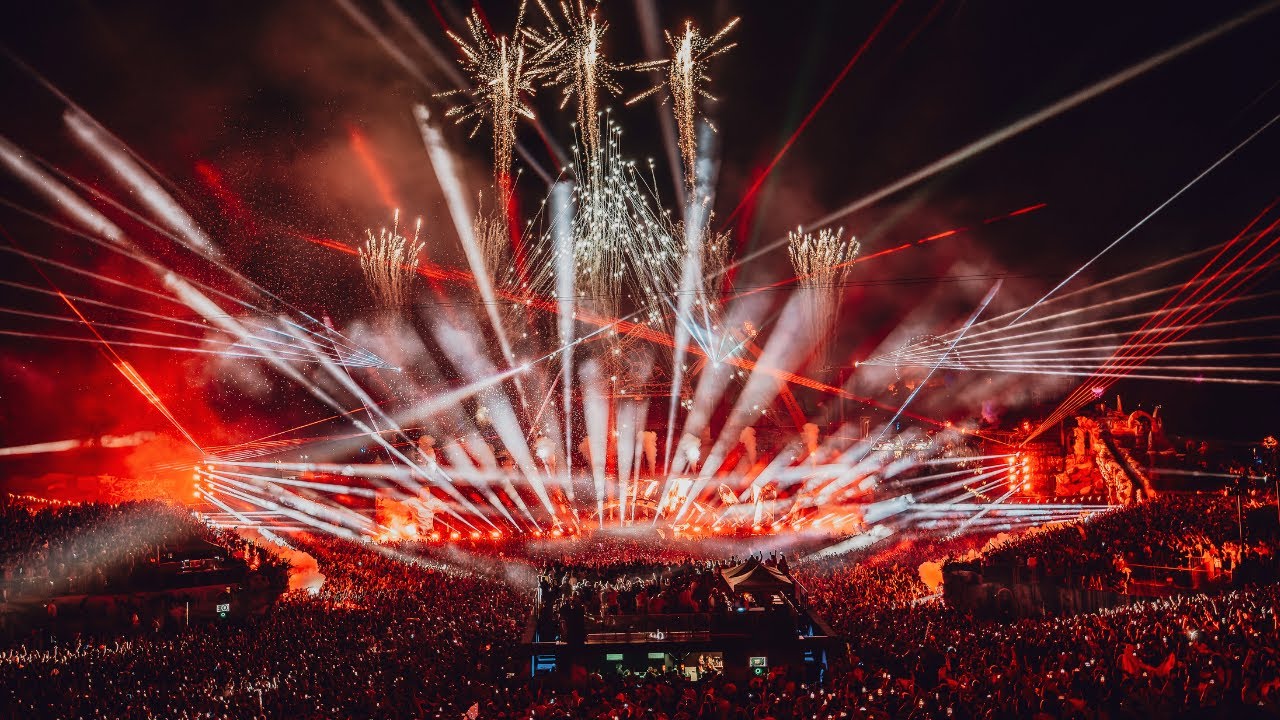
    The festival’s closing performances are often memorable moments that symbolize unity and celebration. Massive fireworks, synchronized lighting, and multimedia storytelling transform the final sets into emotional climaxes that attendees describe as almost cinematic. Whether one stands at the front of the main stage or explores the hidden corners of the site, the lineup’s diversity ensures that the festival remains fresh and unpredictable each year.

    Venue & Environment

    Tomorrowland takes place at De Schorre, a vast recreational park in Boom, located between Antwerp and Brussels. The site’s natural topography—rolling hills, lakes, and wooded areas—provides a scenic backdrop that complements the festival’s imaginative stage designs. Over time, De Schorre has become synonymous with Tomorrowland, its landscape permanently shaped by years of artistic installations and infrastructural improvements.

    The festival grounds are divided into multiple zones, each featuring a distinct stage and theme. Walking paths wind through forested areas and across bridges, connecting attendees to hidden dance floors and chill-out spaces. Art installations, sculptures, and interactive features create a sense of discovery, encouraging visitors to explore beyond the main attractions.

    Sustainability and environmental awareness are key aspects of Tomorrowland’s philosophy. The organizers have implemented initiatives to reduce waste, promote recycling, and encourage responsible behavior through the “Love Tomorrow” program. This sustainability platform extends beyond the festival, engaging with global projects focused on ecological consciousness and social responsibility.

    The surrounding region of Boom benefits significantly from the festival’s presence, with local businesses, residents, and volunteers participating in the event’s logistics and hospitality. The synergy between the festival and the community has contributed to Boom’s transformation into a global destination for music tourism. Despite its massive scale, Tomorrowland maintains an intimate connection to its Belgian roots.

    Music Style

    Tomorrowland’s musical identity is rooted in electronic dance music but spans a wide range of subgenres that reflect the evolution of the global scene. The festival’s soundscape can be understood as a layered experience, shifting from euphoric anthems to underground beats as one moves across stages.

    • Main Stage: Focused on big-room house, progressive house, and electro, featuring artists known for high-energy performances and melodic builds.
    • Techno & Underground Stages: Curated by labels such as Drumcode or Afterlife, these areas highlight deep, hypnotic rhythms and avant-garde sound design.
    • Trance & Uplifting Sounds: Dedicated to melodic and emotional sets, often under the banners of labels like Anjunabeats or A State of Trance.
    • Hardstyle & Hardcore: High-tempo stages celebrating the harder edge of dance music, often curated in collaboration with Q-dance.
    • Eclectic & Alternative Areas: Spaces that feature disco, funk, or live electronic acts, adding variety and surprise to the festival’s sonic palette.

    The festival’s attention to sound quality and production value ensures that each performance resonates powerfully. State-of-the-art sound systems, synchronized visuals, and pyrotechnics transform each set into a multisensory experience. Tomorrowland’s emphasis on storytelling through music and stage design distinguishes it from many other large-scale EDM events, giving it an almost theatrical atmosphere.

    Over the years, Tomorrowland has also played a role in shaping global EDM trends. The festival’s livestreams and aftermovies—professionally produced highlight videos—have introduced millions to new artists and genres. As a result, Tomorrowland functions not only as a live event but also as a cultural broadcaster of contemporary electronic music.

    Crowd & How to Enjoy

    Few festivals can match Tomorrowland’s sense of global community. Attendees—often referred to as the “People of Tomorrow”—come from nearly every corner of the world, creating a colorful mosaic of cultures, languages, and identities. Flags from dozens of countries wave above the crowd, symbolizing unity through music. This atmosphere of inclusivity is one of the festival’s defining features.

    The festival experience extends beyond the music itself. Food courts offer international cuisine, art installations provide visual stimulation, and parades or performances appear spontaneously throughout the grounds. Even the festival’s merchandise and decor contribute to a cohesive fantasy world that encourages participants to disconnect from everyday life and embrace creativity.

    Camping at DreamVille, Tomorrowland’s official accommodation area, is an integral part of the experience for many attendees. DreamVille operates as a small city with its own marketplace, relaxation zones, and communal activities. The “Gathering,” a pre-party held at DreamVille before the main festival opens, allows campers to meet and celebrate ahead of the weekend. For those seeking more comfort, local hotels and shuttle options are available in nearby towns.

    To fully enjoy Tomorrowland, visitors often plan months in advance. The festival’s tickets sell out rapidly, sometimes within minutes, reflecting its immense popularity. Many attendees prepare themed outfits or costumes inspired by the year’s concept, contributing to the festival’s visual spectacle. Staying hydrated, pacing energy levels, and exploring various stages are key to maintaining stamina across multiple days of dancing and celebration.

    Tomorrowland’s organizers emphasize safety and inclusivity. Medical services, information points, and volunteer teams are present throughout the site. The festival’s strong community spirit encourages mutual respect, making it a comfortable space for newcomers and veterans alike.

    Tips for First-Timers

    Attending Tomorrowland for the first time can be both exhilarating and overwhelming. Preparation and awareness can help maximize the experience while minimizing stress. Below are practical suggestions for newcomers:

    • Plan Early: Registration for ticket sales typically opens months before the festival. Sign up for the official Global Journey packages or general ticket sales as soon as announcements are made.
    • Accommodation Choices: DreamVille offers various comfort levels—from basic tents to luxury lodges. If camping isn’t your preference, look for hotels in Antwerp, Mechelen, or Brussels, all within reasonable distance.
    • Travel Logistics: Boom is easily accessible by train and shuttle services from major Belgian cities. Organize transfers in advance to avoid long queues.
    • Pack Smart: Bring weather-appropriate clothing, as Belgian summers can shift quickly between sunshine and rain. Comfortable shoes are essential for long days of dancing.
    • Stay Hydrated & Eat Well: The festival provides numerous food and drink options. Balance energy drinks with water and take breaks to enjoy meals.
    • Explore Beyond the Main Stage: Some of the most memorable moments occur on smaller stages or hidden areas. Allocate time to wander and discover new sounds.
    • Respect the Environment: Follow the “Love Tomorrow” sustainability guidelines—dispose of waste properly and treat the grounds respectfully.
    • Embrace the Community: Interact with people from around the world. Sharing stories, flags, and smiles is part of the Tomorrowland spirit.
    • Capture Memories Responsibly: Photos and videos are welcome, but remember to stay present in the moment. The festival’s professional aftermovie will capture the highlights beautifully.
    • Mind Your Schedule: The lineup is vast. Use the official app to plan which artists you want to see and set reminders for must-see performances.

    Above all, first-timers should approach Tomorrowland with an open mind and heart. The festival’s magic lies not only in its massive stages or famous DJs but in the collective joy that emerges when thousands of people dance together under the same sky.

    Useful Links

    These official resources provide the most accurate and up-to-date information about Tomorrowland, including lineup announcements, travel details, sustainability initiatives, and multimedia content. Whether you are planning to attend or simply wish to experience the festival’s energy online, these platforms offer reliable insights into one of the most spectacular celebrations of electronic music on Earth.

  • Glastonbury Festival Complete Guide | History, Highlights & Lineups

    Glastonbury Festival Complete Guide | History, Highlights & Lineups

    Basic Information

    The Glastonbury Festival of Contemporary Performing Arts, commonly known simply as Glastonbury, is one of the most iconic and influential music and arts festivals in the world. It takes place near the village of Pilton in Somerset, England (イギリス・サマセット). Founded in 1970 by farmer Michael Eavis, the festival began as a small gathering inspired by the hippie and free-festival movements of the late 1960s. Over the decades, it has evolved into a cultural institution, attracting hundreds of thousands of visitors and countless performers from every imaginable genre.

    Glastonbury is renowned not only for its massive scale but also for its unique atmosphere of creativity, social engagement, and environmental awareness. The event usually takes place over five days in late June, and its vast site includes multiple main stages, smaller performance areas, art installations, activist spaces, and even a temporary city of tents. The festival’s ethos remains grounded in community and charity: proceeds are donated to organizations such as Oxfam, Greenpeace, and WaterAid.

    The festival’s history is marked by moments of both triumph and challenge. From its early years with modest stages and local acts to its current status as a global cultural phenomenon, Glastonbury has continually adapted to social change, technological advancement, and shifting musical trends. It has survived weather disasters, logistical hurdles, and temporary “fallow years” (periods when the festival takes a break to allow the land to recover). Through it all, Glastonbury has remained a symbol of musical diversity and social consciousness.

    Notable Lineup Tendencies

    Glastonbury’s lineups are legendary for their diversity. Unlike many festivals that focus on a single genre, Glastonbury deliberately spans a wide range of musical and performance styles. Its main stage, the Pyramid Stage, has hosted some of the most famous artists in popular music history, while smaller stages highlight everything from underground electronic music to world folk traditions, poetry, and political debate.

    Headliners over the years have included globally recognized rock, pop, hip-hop, and electronic acts, as well as groundbreaking newcomers. The festival’s curatorial philosophy is guided by inclusivity and surprise: it frequently juxtaposes emerging talent with heritage acts, and it often features unannounced “secret sets.” This balance keeps the festival culturally relevant while honoring its countercultural roots.

    Beyond the Pyramid Stage, the Other Stage and John Peel Stage are known for showcasing alternative and indie acts. The West Holts stage focuses on funk, soul, world music, and jazz, while the Park Stage and Arcadia area emphasize experimental and electronic performances. The Acoustic Stage provides a more intimate setting for folk and singer-songwriter music. This multi-genre structure allows attendees to experience an unparalleled spectrum of global sounds within a single festival site.

    The festival is also notable for its commitment to social and political engagement. Many performers use their sets to address issues such as climate change, inequality, and peace. The presence of activist organizations and NGOs on-site reinforces this ethos. As a result, Glastonbury’s lineup is not only an artistic showcase but also a reflection of contemporary social consciousness.

    Venue & Environment

    The festival takes place at Worthy Farm, a working dairy farm owned by the Eavis family in Pilton, Somerset. The site is vast—spanning over 900 acres—and transforms into a temporary city during festival week. The landscape is characterized by rolling green fields, hedgerows, and the nearby Glastonbury Tor, a hill that has long been associated with myth and spirituality. This natural setting contributes to the festival’s distinctive atmosphere, blending pastoral beauty with avant-garde creativity.

    Environmental awareness is central to the festival’s identity. Organizers have implemented extensive sustainability initiatives, including renewable energy use, waste recycling programs, and campaigns against single-use plastics. Festival-goers are encouraged to “leave no trace,” an ethos reinforced through signage, volunteer efforts, and partnerships with environmental organizations. The site’s infrastructure—temporary roads, composting toilets, and water systems—is designed to minimize ecological impact while accommodating a population larger than many cities.

    Weather is a defining feature of the Glastonbury experience. The festival is famous for its unpredictable British rain, which can transform fields into mud baths within hours. These conditions have become part of the festival’s mythology, with images of muddy revellers dancing in the rain serving as enduring symbols of its spirit. For many attendees, enduring the elements together strengthens the sense of community and adventure.

    Music Style

    Glastonbury’s musical scope is unparalleled. Its programming philosophy embraces the entire spectrum of contemporary performing arts, ensuring that every visitor can find something to match their taste. The festival’s roots lie in rock and folk, but it has expanded to encompass electronic music, hip-hop, reggae, classical, experimental sound art, and more.

    The festival’s curators have consistently emphasized diversity and innovation. Emerging artists often gain significant attention after performing at Glastonbury, while established icons use the festival’s global platform to deliver career-defining performances. The result is a musical dialogue between past, present, and future—a living archive of popular culture.

    In addition to music, the festival features a wide range of performing arts. Theatre, circus, cabaret, dance, and spoken-word performances occupy dedicated areas such as Theatre & Circus Fields and Left Field. The Green Fields area focuses on sustainability, crafts, and healing arts, offering workshops and discussions about social change. The Shangri-La and Block9 zones host immersive nightlife experiences that blend art installations with cutting-edge electronic music. This variety underscores the festival’s identity as a holistic cultural event rather than a mere concert series.

    Crowd & How to Enjoy

    Glastonbury’s audience is as diverse as its lineup. Attendees range from lifelong festival veterans to first-timers from around the world. The crowd is famously friendly, open-minded, and enthusiastic, embodying a spirit of collective joy and participation. Many festival-goers describe Glastonbury as a “temporary utopia” where everyday social barriers are relaxed and creativity flourishes.

    Because the site is so large, exploring it is an adventure in itself. Visitors often spend hours wandering between stages, food stalls, art installations, and hidden performance spaces. The festival rewards curiosity: some of the most memorable moments occur in unplanned encounters or spontaneous performances in small corners of the site.

    At night, Glastonbury transforms. Areas such as Arcadia, Shangri-La, and Block9 come alive with light shows, sculpture, and late-night electronic music. Meanwhile, the Stone Circle offers a quieter, mystical atmosphere where people gather to drum, sing, and watch the sunrise. These contrasts—between chaos and calm, spectacle and intimacy—are central to the festival’s magic.

    Many regulars recommend approaching Glastonbury not as a strict schedule of performances but as an immersive experience. With over a hundred stages and thousands of acts, it is impossible to see everything. The best strategy is to balance planning with spontaneity: choose a few must-see performances, but leave room for discoveries. Comfortable footwear, weatherproof clothing, and an open mind are essential.

    Tips for First-Timers

    Attending Glastonbury for the first time can be overwhelming, but preparation makes all the difference. Below are some widely shared tips from experienced festival-goers:

    • Plan your journey early: Tickets sell out rapidly—often within minutes of release—and travel routes can be congested. Many visitors arrive by coach or train to reduce environmental impact.
    • Pack smartly: Essentials include waterproof boots, rain gear, sunscreen, reusable water bottles, and portable phone chargers. The weather can shift from sun to storm within hours.
    • Set up camp wisely: Choose a camping spot on higher ground to avoid flooding if it rains. Familiarize yourself with landmarks to navigate the site easily.
    • Respect the environment: Follow the festival’s “leave no trace” principle. Recycle waste properly and avoid bringing unnecessary plastic.
    • Stay hydrated and nourished: Food options are extensive, from traditional British fare to international cuisine. Bring snacks for convenience and budget control.
    • Explore beyond the main stages: Some of Glastonbury’s most memorable experiences happen in smaller venues or art areas. Don’t miss the Green Fields, Healing Fields, or Theatre & Circus zones.
    • Embrace the community: Chat with neighbors, volunteer if possible, and participate in workshops or discussions. The festival thrives on shared energy and kindness.
    • Prepare for limited connectivity: Mobile networks can be overloaded. Arrange meeting points with friends in advance in case you lose contact.
    • Rest when you can: The festival runs nearly 24 hours a day. Balance late nights with downtime to fully enjoy the experience.

    Following these guidelines helps ensure a safe, enjoyable, and environmentally responsible visit. Above all, Glastonbury rewards openness and curiosity. Whether you come for the music, the art, or the atmosphere, you are participating in a living tradition that has shaped modern festival culture.

    Useful Links

    These resources provide official information on tickets, travel, sustainability efforts, and live broadcasts. The official website in particular offers detailed maps, accessibility guidance, and updates about future festival dates and volunteering opportunities.

  • Coachella Valley Music and Arts Festival Complete Guide | History, Highlights & Lineups

    Coachella Valley Music and Arts Festival Complete Guide | History, Highlights & Lineups

    Basic Information

    The Coachella Valley Music and Arts Festival is one of the most influential and widely recognized music festivals in the world. Held annually in Indio, California, within the Colorado Desert region of the Coachella Valley, it has evolved from a daring experiment in live music promotion into a global cultural phenomenon. The event was first organized in 1999 by Goldenvoice, a subsidiary of AEG Presents, and has since grown into a two-weekend event typically taking place in April. Each weekend features the same lineup, allowing more attendees to experience the festival without overcrowding.

    Coachella is not only a music festival but also a multimedia celebration of art, style, and lifestyle trends. The festival grounds host large-scale art installations, immersive experiences, and a diverse food scene that reflects California’s creativity and sustainability ethos. Over the years, Coachella has become a meeting point for music lovers, artists, influencers, and innovators from around the world, contributing to its status as a global trendsetter.

    The festival’s influence extends far beyond its desert location. Performances are live-streamed globally, fashion trends debut on its grounds, and social media coverage reaches millions. Coachella is often considered a barometer for contemporary music and culture, setting the tone for the festival season worldwide.

    Notable Lineup Tendencies

    One of Coachella’s defining features is its eclectic and forward-looking lineup. The festival’s booking philosophy has always been rooted in diversity and discovery, balancing global superstars with emerging artists across genres. While the earliest editions leaned heavily toward alternative rock and indie acts, the festival has since expanded to include hip-hop, pop, electronic dance music (EDM), Latin music, R&B, and even experimental sounds.

    Coachella’s reputation for historic moments is well deserved. It has hosted reunion shows of legendary bands, surprise guest appearances, and groundbreaking performances that have gone viral worldwide. The festival’s curatorial team is known for identifying artists on the verge of mainstream breakthrough, giving audiences a glimpse of what will shape global pop culture in the coming year.

    • Genre Diversity: The lineup typically spans rock, hip-hop, EDM, pop, indie, and world music, reflecting the evolving nature of global taste.
    • Headliner Prestige: Coachella has featured some of the most influential artists of each era, often making headlines for bold, cross-generational collaborations.
    • Emerging Talent: Beyond the main stages, smaller tents and side stages highlight up-and-coming acts, giving them international exposure.
    • Visual & Performance Art: Many sets are accompanied by elaborate stage design, custom visuals, and choreography, underscoring the event’s artistic ambition.

    This careful balance between mainstream appeal and underground credibility has made Coachella a model for festivals worldwide. Its lineup announcements are treated as cultural events in themselves, dissected by fans and media for hints about industry trends and artist trajectories.

    Venue & Environment

    The festival takes place at the Empire Polo Club in Indio, California, a venue that offers expansive lawns, palm trees, and mountain vistas under the desert sun. The setting is both picturesque and challenging: daytime temperatures can soar, while evenings bring cooler desert breezes. This contrast has become part of the Coachella experience, influencing everything from fashion choices to site design.

    The festival grounds are meticulously organized into multiple stages and themed zones. Large-scale art installations, often created by international artists, punctuate the landscape, offering both visual spectacle and shaded gathering points. The site also includes interactive structures, light sculptures, and kinetic art, emphasizing the festival’s commitment to creativity beyond music.

    Sustainability has become an increasing priority for Coachella’s organizers. Initiatives such as recycling programs, refillable water stations, and partnerships with environmental organizations encourage attendees to minimize their ecological footprint. Carpooling incentives and shuttle services help reduce traffic impact in the surrounding communities.

    The venue’s proximity to Palm Springs and other desert towns provides additional lodging, restaurants, and entertainment options, turning the festival weekends into a regional economic and cultural event. Many visitors extend their stay to explore nearby natural attractions, such as Joshua Tree National Park and the San Jacinto Mountains.

    Music Style

    Coachella’s musical identity is defined by its inclusivity and its ability to absorb and reflect global trends. The festival’s stages are curated to represent the broad spectrum of contemporary sound. Main stages often feature high-production pop and rock acts, while tents like the Sahara and Yuma focus on electronic and dance music. The Mojave and Gobi tents tend to host indie, experimental, and international artists, creating a sonic journey across cultures and genres.

    The festival’s programming mirrors the evolution of the music industry itself. As digital streaming and social media have blurred genre boundaries, Coachella has embraced this fluidity. Lineups now feature collaborations between DJs and vocalists, genre-hybrid performances, and cross-cultural fusions that highlight the interconnectedness of global music scenes.

    • Electronic Music: The Sahara Tent has become a hallmark for EDM, house, and techno, showcasing both veterans and breakthrough producers.
    • Hip-Hop & R&B: Some of the most memorable sets in recent years have come from hip-hop and R&B artists, reflecting the genres’ dominance in global pop culture.
    • Rock & Alternative: Although less central than in the early years, rock and alternative acts continue to provide a foundation for Coachella’s identity.
    • Global Sounds: Increasingly, the lineup includes Latin, Afrobeat, K-pop, and other international styles, signaling Coachella’s embrace of a global audience.

    The result is a festival that feels less like a single-genre event and more like a living map of contemporary music. Each stage tells a different story, and the audience moves fluidly between them, discovering new sounds that might define the next cultural wave.

    Crowd & How to Enjoy

    Coachella attracts a remarkably diverse audience. Attendees include dedicated music fans, fashion influencers, celebrities, digital creators, and travelers from across the world. This mix creates a unique social dynamic: part concert, part cultural summit. Many visitors see the festival as both a musical pilgrimage and a social experience, where art, performance, and personal expression converge.

    The festival’s atmosphere is simultaneously relaxed and high-energy. During the day, attendees often explore art installations, take photos, or lounge at shaded areas. As the sun sets behind the mountains, the energy builds, and the stages come alive with light shows and headline performances. Nighttime at Coachella is a sensory experience of sound, light, and community.

    Fashion is another defining aspect. The festival has become synonymous with bohemian-inspired, desert-ready style—flowing fabrics, hats, sunglasses, and creative accessories. Major brands and independent designers alike look to Coachella for inspiration, and the event’s fashion coverage rivals that of major red carpets. However, comfort and practicality remain key; the desert climate demands hydration, sun protection, and breathable clothing.

    To truly enjoy Coachella, it helps to balance spontaneity with planning. The festival app provides real-time updates, maps, and customizable schedules, making it easier to navigate the vast grounds. Many attendees plan their days around must-see performances but also leave room for unexpected discoveries—an emerging artist, a hidden art piece, or a late-night DJ set that becomes a highlight.

    Tips for First-Timers

    For newcomers, Coachella can be both exhilarating and overwhelming. Preparation makes a significant difference in comfort and enjoyment. Below are practical tips that experienced attendees often recommend.

    • Plan Ahead: Tickets and accommodations sell out quickly. Register for presales and explore official lodging or camping options early in the year.
    • Stay Hydrated: The desert heat can be intense. Bring a refillable water bottle—hydration stations are available throughout the venue.
    • Dress Smart: Lightweight, breathable clothing, comfortable shoes, and sun protection (hat, sunglasses, sunscreen) are essential.
    • Use the App: The official Coachella app provides schedules, maps, and emergency information. It’s invaluable for navigating the grounds.
    • Arrive Early: Gates open in the morning, and arriving early helps avoid traffic and allows time to explore art installations before crowds build.
    • Respect the Environment: Dispose of waste properly, use recycling bins, and follow sustainability guidelines promoted by the festival.
    • Explore Beyond the Main Stage: Some of the most memorable experiences happen at smaller stages or art spaces away from the main crowds.
    • Be Open-Minded: Coachella is about discovery—new sounds, new people, and new perspectives. Embrace the diversity that defines the festival.

    Camping on-site offers a communal experience, with shared amenities, morning yoga sessions, and after-hours parties. However, nearby hotels and rental homes in Indio, La Quinta, and Palm Springs provide more comfort for those preferring a quieter retreat after long festival days.

    Transportation planning is also crucial. Shuttle passes connect major nearby cities and hotels to the festival grounds, reducing parking stress and environmental impact. Many attendees also use ride-sharing services, though peak hours can lead to long waits, so patience and flexibility are advised.

    Useful Links

    These resources provide official updates, lineup announcements, travel information, and sustainability initiatives. As Coachella continues to evolve, staying connected through these channels ensures accurate, up-to-date information.

    Conclusion

    The Coachella Valley Music and Arts Festival stands as a symbol of creative freedom, cultural diversity, and global connectivity. From its desert origins to its worldwide digital presence, the festival encapsulates the spirit of contemporary music and art. More than a concert series, it is a living, breathing reflection of how people around the world experience sound, style, and community in the 21st century. Whether one attends in person or watches from afar, Coachella remains a touchstone for understanding the intersection of music, technology, and global culture.

  • RISING SUN ROCK FESTIVAL Complete Guide | History, Highlights & Lineups

    RISING SUN ROCK FESTIVAL Complete Guide | History, Highlights & Lineups

    Basic Information

    The RISING SUN ROCK FESTIVAL (ライジングサンロックフェスティバル) is one of Japan’s most iconic outdoor music festivals, held annually in Ishikari, Hokkaido. Established in 1999, it is celebrated as the first major all-night rock festival in Japan, where live performances continue from sunset until sunrise. The event is organized by WESS Inc., a prominent Hokkaido-based concert promoter, and typically takes place in mid-August at the Tarukawa Wharf area of Ishikari Bay New Port, approximately 40 minutes by car from central Sapporo.

    Unlike many Japanese summer festivals that conclude by nightfall, RISING SUN ROCK FESTIVAL (often abbreviated as RSR) embraces the northern latitude’s long twilight and cooler climate to create a unique overnight experience. The festival’s concept centers on celebrating music, nature, and community under the open Hokkaido sky. Attendees pitch tents, share food, and stay up through the night to witness the symbolic moment when the rising sun illuminates the final performances.

    RSR’s philosophy emphasizes “Made in Japan” rock culture. While international acts have occasionally appeared, the festival primarily showcases Japanese artists across genres, from mainstream rock and pop to underground and experimental scenes. The event’s motto, “Rising Sun,” reflects both the dawn that concludes the festival and the vibrant energy of Japan’s rock community.

    Notable Lineup Tendencies

    Throughout its history, RSR has maintained a reputation for curating lineups that represent the breadth of Japan’s musical landscape. Instead of focusing solely on headline pop or rock stars, the festival’s programming highlights the diversity of Japanese music culture and the intergenerational connections within it.

    • Established Legends: Veteran artists who shaped Japan’s rock scene—ranging from influential 1970s pioneers to 1990s alternative icons—regularly appear. Their sets often draw multigenerational crowds who value the continuity of Japanese rock heritage.
    • Contemporary Headliners: Popular bands and solo acts from J-rock, pop-rock, and indie circuits typically anchor the main stages. These performers often use the festival as a platform to deliver extended or collaborative sets unavailable in their regular tours.
    • Indie and Underground Acts: RSR dedicates smaller stages to rising talents and experimental musicians. These performances reflect the festival’s community-minded ethos, offering exposure to artists who might otherwise remain local to Hokkaido or Tokyo’s live-house scene.
    • Genre Fusion: While the festival’s core is rock, the lineup frequently incorporates funk, electronic, jazz, hip-hop, and folk influences, reflecting the fluid boundaries of contemporary Japanese music.
    • Collaborative Sessions: One of the hallmarks of RSR is spontaneous collaborations between artists. Musicians often join each other on stage for one-off performances, embodying the spirit of camaraderie that defines the event.

    RSR’s programming strategy values atmosphere and progression over spectacle. The schedule is designed so that the energy peaks around midnight, then shifts toward more introspective or ambient sets before dawn. As the first rays of sunlight rise over the Ishikari Bay, the final acts deliver performances that symbolically close the festival’s cycle—a tradition cherished by regular attendees.

    Venue & Environment

    The festival site, officially known as the Tarukawa Wharf Ishikari Bay New Port Outdoor Special Site, lies on the coastal plains north of Sapporo. The area’s expansive open fields and proximity to the sea create a natural amphitheater-like setting. Hokkaido’s mild summer temperatures—typically around 20°C during the day and dropping below 15°C at night—make it ideal for camping and overnight outdoor activities.

    The venue is divided into several zones:

    • Main Stages: Large-scale performance areas equipped with professional lighting and sound systems, hosting major acts throughout the evening and night.
    • Secondary Stages: Smaller, more intimate spaces dedicated to emerging artists or genre-specific showcases.
    • Camping Areas: Expansive fields where visitors pitch tents. Many festival-goers arrive early to secure favorable spots; camping is an essential part of the RSR experience.
    • Food & Market Zones: Vendors serve Hokkaido’s renowned local cuisine—grilled seafood, ramen, corn, and dairy products—alongside festival staples. The market area also features merchandise booths and craft stalls.
    • Eco & Relaxation Areas: Spaces designed for rest and environmental awareness, reflecting RSR’s long-standing commitment to sustainability.

    The festival’s connection to Hokkaido’s natural environment is central to its identity. The open coastal winds, the scent of the sea, and the vast northern sky form a backdrop that differentiates RSR from urban festivals. As morning arrives, the sun rises over the distant mountains and illuminates the crowd—a moment that has become an emblem of renewal for both artists and fans.

    Music Style

    While the name emphasizes “rock,” the RISING SUN ROCK FESTIVAL encompasses a wide spectrum of musical styles. The event’s programming philosophy is rooted in the evolution of Japanese rock but remains open to diverse interpretations of live performance.

    • Rock and Alternative: Guitar-driven bands dominate the lineup, from classic rockers to modern alternative and post-rock groups. The raw energy of live instruments resonates with the festival’s open-air setting.
    • Pop and Singer-Songwriters: Melodic pop-rock and acoustic acts often appear in the early evening slots, offering accessible performances that appeal to a broad audience.
    • Electronic and Dance: Late-night hours frequently feature DJs and electronic musicians, transforming sections of the site into open-air dance floors under the northern lights.
    • Folk and Roots: Hokkaido’s pastoral atmosphere inspires acoustic and folk-oriented acts. These performances often emphasize storytelling and regional identity.
    • Experimental and Crossover: The festival’s smaller stages host avant-garde projects that blend rock with jazz, ambient, or traditional Japanese instruments, contributing to RSR’s reputation as a creative laboratory.

    The sound design of RSR is carefully balanced to accommodate long listening sessions. Because performances continue overnight, organizers prioritize acoustic clarity and comfort, ensuring that each stage offers a distinct sonic experience without excessive volume overlap.

    Crowd & How to Enjoy

    RISING SUN ROCK FESTIVAL attracts an audience of tens of thousands, yet it retains a friendly, communal atmosphere. Many attendees are repeat visitors who treat the event as an annual pilgrimage. The crowd composition is notably diverse: young students, long-time rock fans, families with children, and travelers from across Japan gather to share in the overnight celebration.

    The festival’s rhythm differs from daytime events. As dusk falls, the site gradually transforms into a glowing sea of lights, with lanterns and stage illuminations reflecting off the sea breeze. The night progresses through energetic sets, midnight gatherings around food stalls, and quiet moments of rest in the camping zones. By dawn, as the eastern horizon brightens, the final performances create an emotional culmination—audiences often greet the sunrise together, symbolizing unity and renewal.

    To fully enjoy the festival:

    • Embrace the Overnight Format: Plan for rest, hydration, and warm clothing. The temperature difference between day and night can be significant.
    • Explore Beyond Headliners: Smaller stages often host memorable performances that capture the festival’s spirit of discovery.
    • Experience Local Food: Hokkaido specialties—such as grilled scallops, local beer, and dairy desserts—are integral to the RSR experience.
    • Join the Sunrise Moment: Witnessing the first light together is the festival’s defining ritual. Many attendees consider it a spiritual highlight.
    • Respect the Environment: RSR’s “eco-friendly” initiative encourages waste separation, reusable containers, and mindful camping practices.

    The festival’s atmosphere is inclusive and relaxed. While alcohol is available, the emphasis remains on collective enjoyment rather than excess. Families often attend with children, and the spacious grounds allow for both lively and peaceful experiences depending on one’s preference.

    Tips for First-Timers

    For those attending RISING SUN ROCK FESTIVAL for the first time, preparation is key to maximizing comfort and enjoyment. Hokkaido’s climate, the festival’s overnight schedule, and its camping culture distinguish it from other Japanese events.

    • Tickets and Access: Tickets usually go on sale several months in advance through official channels. The site is accessible by shuttle bus from Sapporo or by car, but parking passes are limited. Early planning is recommended.
    • Camping Gear: Bring a sturdy tent, sleeping bag, and groundsheet suited for cool nights. Even in August, temperatures can drop sharply after midnight.
    • Clothing: Layered clothing is essential. Lightweight rain gear, a hat, and comfortable shoes are must-haves due to potential weather changes.
    • Cash and Supplies: While some vendors accept electronic payment, cash remains convenient. Bring small bills and coins for food stalls and lockers.
    • Lighting: A headlamp or flashlight is useful for navigating the campsite at night.
    • Stay Hydrated and Rested: Pace yourself through the night. Many attendees take short naps between performances to recharge.
    • Follow Rules and Etiquette: Japanese festivals emphasize courtesy—avoid blocking views, dispose of trash properly, and respect quiet zones.
    • Weather Preparedness: Sudden rainfall or strong winds can occur. Secure tents firmly and keep valuables in waterproof bags.
    • Enjoy Local Hospitality: Hokkaido residents are known for their warmth. Engage with fellow campers and share in the collective spirit.

    First-timers often remark that RSR feels less commercial and more community-driven than other large festivals. The combination of natural beauty, musical diversity, and overnight camaraderie creates a sense of belonging that keeps people returning year after year.

    Useful Links

    These official and tourism-related links provide up-to-date information on ticket sales, transportation, accommodation, and regional sightseeing. Checking the festival’s official website before attending is essential, as weather conditions or public health considerations may influence scheduling and on-site regulations.