Basic Information
Summer Sonic is one of Japan’s premier urban music festivals, held simultaneously in Tokyo and Osaka every August. Since its launch in 2000 by Creativeman Productions, the event has built a reputation for bringing together major international artists and leading Japanese acts on the same bill. Unlike many countryside festivals that require long travel or camping, Summer Sonic’s city venues make it uniquely accessible for both domestic and overseas fans who want to experience a large-scale music celebration without leaving the metropolitan area.
The dual-city format allows performers to rotate between Tokyo and Osaka on consecutive days, enabling fans in both regions to see nearly identical lineups. Tokyo’s edition typically takes place at the Zozo Marine Stadium and Makuhari Messe convention complex in Chiba (part of the Greater Tokyo area), while Osaka’s version is often staged at Maishima Sonic Park or other large outdoor spaces within the city. This setup embodies the concept of an “urban festival,” integrating live music, city infrastructure, and convenience.
Over the years, Summer Sonic has hosted a wide range of genres—rock, pop, electronic, hip-hop, and J-pop among others—reflecting Japan’s cosmopolitan taste and the global nature of popular music. The festival’s slogan-like reputation is that it’s “a city summer party” where stadium-scale performances meet urban comfort.
Notable Lineup Tendencies
While the specific lineup changes annually, Summer Sonic is known for its bold mix of Western and Japanese headliners. Major international rock bands, pop icons, and emerging global acts frequently share the stage with top J-rock, J-pop, and idol groups. The event has also become a platform for Asian artists outside Japan, showcasing the growing regional music exchange across the continent.
Historically, the festival has featured arena-level performers from North America and Europe who are touring Asia in the summer season. At the same time, Summer Sonic has consistently supported Japan’s domestic scene by inviting chart-topping local acts and influential indie bands. This balance between global and domestic talent is one of its key selling points.
In addition to main-stage spectacles, smaller stages within the festival grounds often highlight electronic music, alternative rock, and experimental acts. These areas encourage audiences to discover new sounds beyond the headline names. As a result, Summer Sonic has earned a reputation not only as a showcase for superstar performances but also as a gateway to new musical discoveries.
- International headliners: globally recognized rock, pop, and hip-hop artists
- Japanese representation: leading J-rock, J-pop, and idol performers
- Regional diversity: acts from South Korea, Taiwan, China, and Southeast Asia
- Genre variety: rock, pop, EDM, alternative, and cross-genre collaborations
Venue & Environment
The Tokyo edition’s main site, Zozo Marine Stadium, is a professional baseball stadium located near Makuhari Messe in Chiba City. It provides a large-capacity arena for the festival’s biggest performances, while the adjacent convention halls host multiple indoor stages and air-conditioned rest areas. The proximity to Makuhari Station on the JR Keiyo Line and the Tokyo Bay area makes access straightforward from central Tokyo.
Osaka’s venue, Maishima Sonic Park, offers a coastal setting with open fields and ocean breezes. Shuttle buses from central Osaka and nearby train stations connect visitors efficiently to the site. The layout typically includes one or two large outdoor stages plus smaller tents or pavilions for different genres.
Both cities’ venues emphasize comfort and convenience—there’s no need for camping, as attendees can easily return to nearby hotels or homes each night. Food stalls serve classic festival fare alongside Japanese regional specialties, and merchandise areas sell artist goods and official festival memorabilia.
Despite the urban setting, organizers take care to create a festival atmosphere through stage design, lighting, and interactive installations. The combination of seaside views, city skylines, and energetic crowds gives Summer Sonic a distinctive environment compared to rural festivals like Fuji Rock.
Music Style
Summer Sonic’s musical identity is eclectic. It began primarily as a rock festival but has evolved to encompass pop, electronic, and hip-hop acts as global music trends have shifted. The festival’s programming reflects the diversity of modern listening habits, where playlists mix genres freely.
Rock remains a strong backbone, with guitar-driven performances dominating the main stages. Pop artists, from chart-topping solo singers to dance-oriented groups, bring mass appeal. The electronic music component has expanded significantly, with DJs and producers attracting late-night crowds. Hip-hop and R&B have also gained a stable presence, mirroring the rise of these genres in Japan’s youth culture.
The cross-genre collaborations and special guest appearances have become a hallmark of Summer Sonic’s creative direction. International artists have occasionally shared the stage with Japanese performers, creating memorable one-off collaborations that highlight cultural exchange through music.
Crowd & How to Enjoy
The Summer Sonic audience is a vibrant mix of demographics. Young fans come for their favorite pop and rock idols, while older attendees appreciate the nostalgic acts and comfortable city access. The festival’s bilingual signage and announcements cater to both Japanese and international visitors, making it one of the most foreigner-friendly large-scale events in Japan.
Because the festival runs in both Tokyo and Osaka, many fans choose to attend one city, while hardcore enthusiasts travel to both. The schedule allows back-to-back performances, with artists swapping cities overnight. For visitors from abroad, the Tokyo edition is often more convenient due to its proximity to international airports and hotel options.
Enjoying Summer Sonic means balancing energy and endurance. The August heat in Japan can be intense, so hydration and sun protection are essential. The venues provide rest zones, shaded areas, and indoor air-conditioned spaces, which are rare comforts among major music festivals. Attendees typically dress in light summer clothes, often incorporating festival merchandise and Japanese street fashion.
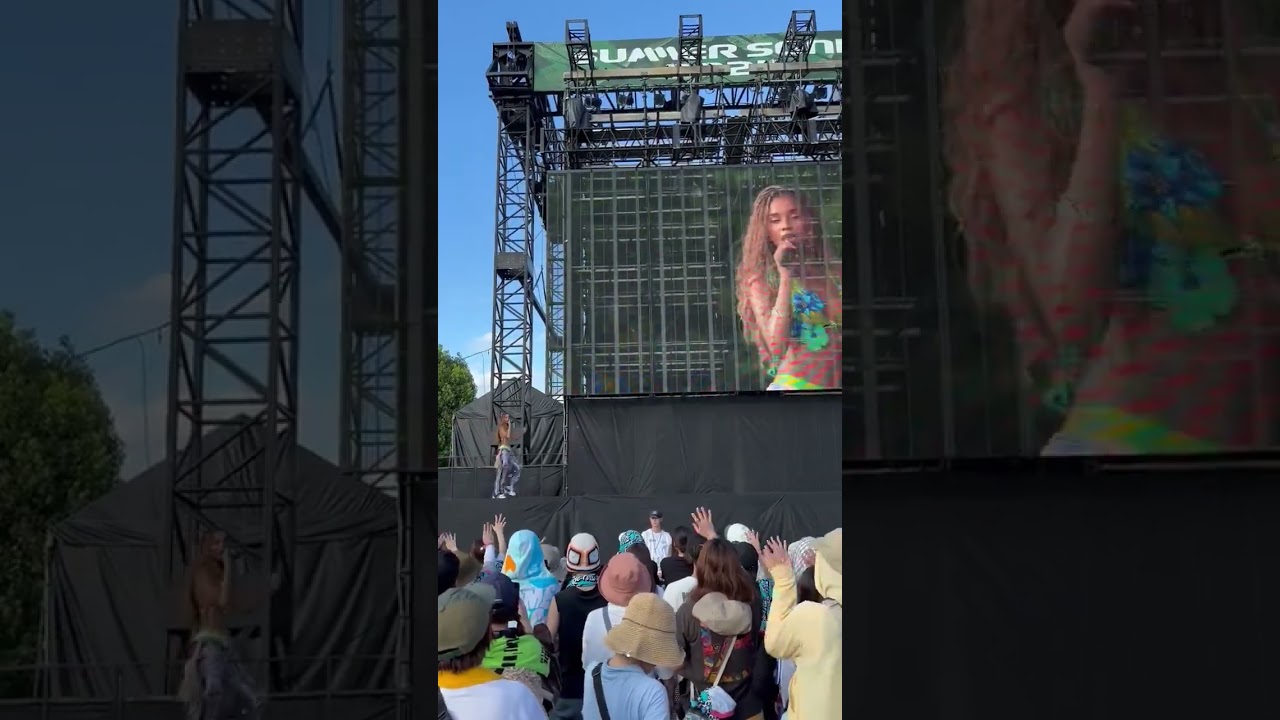
The vibe is generally friendly and enthusiastic. Fans sing along, wave towels, and enjoy photo opportunities with the cityscape or seaside backdrop. The festival’s no-camping, day-trip format encourages a relaxed yet lively atmosphere. After the performances, many participants explore nearby shopping malls, restaurants, or nightlife districts, extending the experience beyond the festival grounds.
Tips for First-Timers
- Plan your transport early: Trains and shuttle buses can become crowded, so check the official site for recommended routes and arrival times.
- Stay hydrated: August in Japan is hot and humid. Bring a reusable bottle or purchase drinks frequently.
- Use the lockers: Both venues provide coin lockers or baggage services—lighten your load for easier movement between stages.
- Check the timetable: With multiple stages, time management is key. Official apps or printed schedules help plan your day.
- Dress for comfort: Lightweight clothing, comfortable shoes, and a hat or towel are essentials.
- Explore food stalls: Try Japanese festival snacks and regional specialties for a cultural treat.
- Respect local etiquette: Follow staff instructions, dispose of trash properly, and be mindful of others’ space.
- Consider both cities: If you have time, experiencing both Tokyo and Osaka editions offers a unique perspective on how the same festival adapts to different urban settings.
For international visitors, language is rarely a barrier. Many volunteers and staff can communicate in English, and signage is bilingual. Cashless payment options are widely accepted, but it’s still practical to carry some yen for food stalls or small vendors. Booking accommodation near the venue or along direct train lines ensures a smooth experience.
Photography and short video clips for personal use are generally allowed outside of specific restricted areas, but professional recording equipment may require permission. Always check the official guidelines before attending.
Useful Links
- Official Summer Sonic Website (Japanese & English)
- Summer Sonic Official Twitter (X)
- Summer Sonic Official Facebook Page
- Summer Sonic Official Instagram
- Creativeman Productions (Organizer)
- Japan National Tourism Organization (Travel Information)
Conclusion
Summer Sonic stands as a symbol of Japan’s modern festival culture—urban, international, and inclusive. Its simultaneous Tokyo and Osaka events demonstrate efficient organization and the country’s deep enthusiasm for live music. Whether you come for the global superstars, the cutting-edge local acts, or simply the electric summer atmosphere, Summer Sonic offers a snapshot of Japan’s vibrant connection to the world stage of music.
By combining metropolitan accessibility with world-class performances, it continues to attract tens of thousands of attendees each year, proving that a city festival can deliver the same thrill and community spirit as any outdoor camping event. For anyone seeking a dynamic, comfortable, and musically diverse experience in Japan, Summer Sonic remains a must-attend highlight of the summer calendar.
Leave a Reply