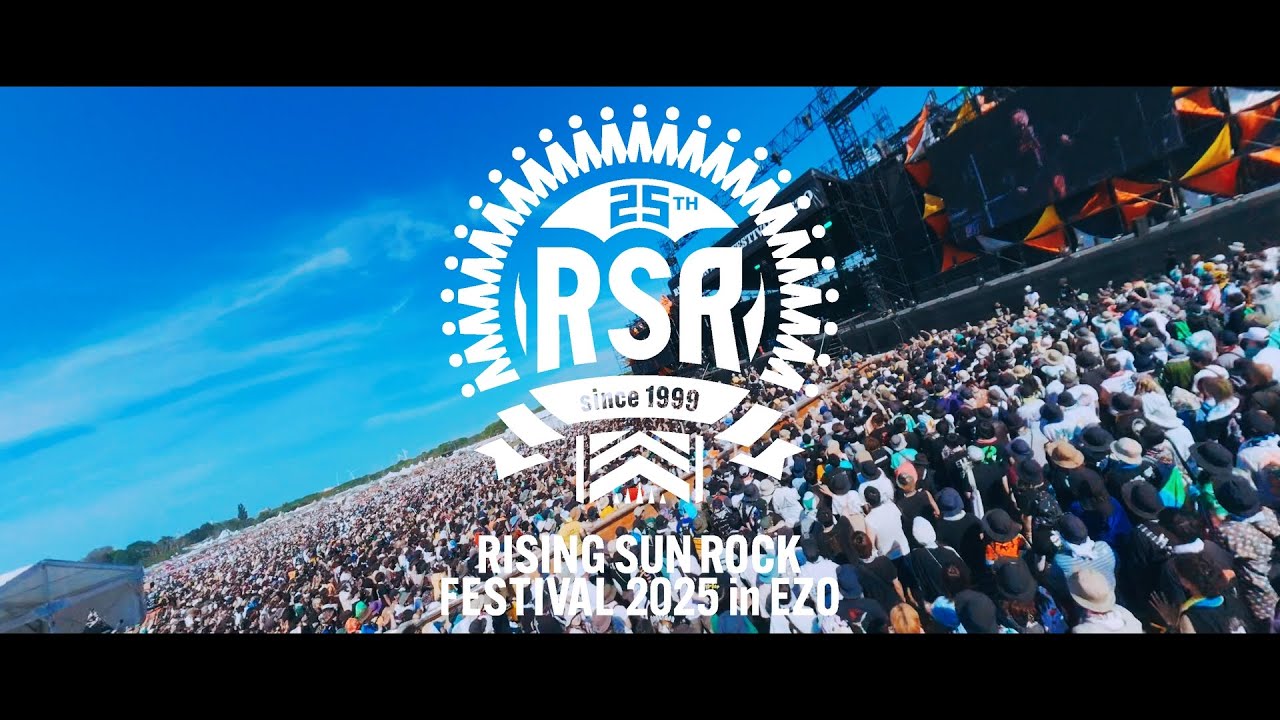
Basic Information
The RISING SUN ROCK FESTIVAL (ライジングサンロックフェスティバル) is one of Japan’s most iconic outdoor music festivals, held annually in Ishikari, Hokkaido. Established in 1999, it is celebrated as the first major all-night rock festival in Japan, where live performances continue from sunset until sunrise. The event is organized by WESS Inc., a prominent Hokkaido-based concert promoter, and typically takes place in mid-August at the Tarukawa Wharf area of Ishikari Bay New Port, approximately 40 minutes by car from central Sapporo.
Unlike many Japanese summer festivals that conclude by nightfall, RISING SUN ROCK FESTIVAL (often abbreviated as RSR) embraces the northern latitude’s long twilight and cooler climate to create a unique overnight experience. The festival’s concept centers on celebrating music, nature, and community under the open Hokkaido sky. Attendees pitch tents, share food, and stay up through the night to witness the symbolic moment when the rising sun illuminates the final performances.
RSR’s philosophy emphasizes “Made in Japan” rock culture. While international acts have occasionally appeared, the festival primarily showcases Japanese artists across genres, from mainstream rock and pop to underground and experimental scenes. The event’s motto, “Rising Sun,” reflects both the dawn that concludes the festival and the vibrant energy of Japan’s rock community.
Notable Lineup Tendencies
Throughout its history, RSR has maintained a reputation for curating lineups that represent the breadth of Japan’s musical landscape. Instead of focusing solely on headline pop or rock stars, the festival’s programming highlights the diversity of Japanese music culture and the intergenerational connections within it.
- Established Legends: Veteran artists who shaped Japan’s rock scene—ranging from influential 1970s pioneers to 1990s alternative icons—regularly appear. Their sets often draw multigenerational crowds who value the continuity of Japanese rock heritage.
- Contemporary Headliners: Popular bands and solo acts from J-rock, pop-rock, and indie circuits typically anchor the main stages. These performers often use the festival as a platform to deliver extended or collaborative sets unavailable in their regular tours.
- Indie and Underground Acts: RSR dedicates smaller stages to rising talents and experimental musicians. These performances reflect the festival’s community-minded ethos, offering exposure to artists who might otherwise remain local to Hokkaido or Tokyo’s live-house scene.
- Genre Fusion: While the festival’s core is rock, the lineup frequently incorporates funk, electronic, jazz, hip-hop, and folk influences, reflecting the fluid boundaries of contemporary Japanese music.
- Collaborative Sessions: One of the hallmarks of RSR is spontaneous collaborations between artists. Musicians often join each other on stage for one-off performances, embodying the spirit of camaraderie that defines the event.
RSR’s programming strategy values atmosphere and progression over spectacle. The schedule is designed so that the energy peaks around midnight, then shifts toward more introspective or ambient sets before dawn. As the first rays of sunlight rise over the Ishikari Bay, the final acts deliver performances that symbolically close the festival’s cycle—a tradition cherished by regular attendees.
Venue & Environment
The festival site, officially known as the Tarukawa Wharf Ishikari Bay New Port Outdoor Special Site, lies on the coastal plains north of Sapporo. The area’s expansive open fields and proximity to the sea create a natural amphitheater-like setting. Hokkaido’s mild summer temperatures—typically around 20°C during the day and dropping below 15°C at night—make it ideal for camping and overnight outdoor activities.
The venue is divided into several zones:
- Main Stages: Large-scale performance areas equipped with professional lighting and sound systems, hosting major acts throughout the evening and night.
- Secondary Stages: Smaller, more intimate spaces dedicated to emerging artists or genre-specific showcases.
- Camping Areas: Expansive fields where visitors pitch tents. Many festival-goers arrive early to secure favorable spots; camping is an essential part of the RSR experience.
- Food & Market Zones: Vendors serve Hokkaido’s renowned local cuisine—grilled seafood, ramen, corn, and dairy products—alongside festival staples. The market area also features merchandise booths and craft stalls.
- Eco & Relaxation Areas: Spaces designed for rest and environmental awareness, reflecting RSR’s long-standing commitment to sustainability.
The festival’s connection to Hokkaido’s natural environment is central to its identity. The open coastal winds, the scent of the sea, and the vast northern sky form a backdrop that differentiates RSR from urban festivals. As morning arrives, the sun rises over the distant mountains and illuminates the crowd—a moment that has become an emblem of renewal for both artists and fans.
Music Style
While the name emphasizes “rock,” the RISING SUN ROCK FESTIVAL encompasses a wide spectrum of musical styles. The event’s programming philosophy is rooted in the evolution of Japanese rock but remains open to diverse interpretations of live performance.
- Rock and Alternative: Guitar-driven bands dominate the lineup, from classic rockers to modern alternative and post-rock groups. The raw energy of live instruments resonates with the festival’s open-air setting.
- Pop and Singer-Songwriters: Melodic pop-rock and acoustic acts often appear in the early evening slots, offering accessible performances that appeal to a broad audience.
- Electronic and Dance: Late-night hours frequently feature DJs and electronic musicians, transforming sections of the site into open-air dance floors under the northern lights.
- Folk and Roots: Hokkaido’s pastoral atmosphere inspires acoustic and folk-oriented acts. These performances often emphasize storytelling and regional identity.
- Experimental and Crossover: The festival’s smaller stages host avant-garde projects that blend rock with jazz, ambient, or traditional Japanese instruments, contributing to RSR’s reputation as a creative laboratory.
The sound design of RSR is carefully balanced to accommodate long listening sessions. Because performances continue overnight, organizers prioritize acoustic clarity and comfort, ensuring that each stage offers a distinct sonic experience without excessive volume overlap.
Crowd & How to Enjoy
RISING SUN ROCK FESTIVAL attracts an audience of tens of thousands, yet it retains a friendly, communal atmosphere. Many attendees are repeat visitors who treat the event as an annual pilgrimage. The crowd composition is notably diverse: young students, long-time rock fans, families with children, and travelers from across Japan gather to share in the overnight celebration.
The festival’s rhythm differs from daytime events. As dusk falls, the site gradually transforms into a glowing sea of lights, with lanterns and stage illuminations reflecting off the sea breeze. The night progresses through energetic sets, midnight gatherings around food stalls, and quiet moments of rest in the camping zones. By dawn, as the eastern horizon brightens, the final performances create an emotional culmination—audiences often greet the sunrise together, symbolizing unity and renewal.
To fully enjoy the festival:
- Embrace the Overnight Format: Plan for rest, hydration, and warm clothing. The temperature difference between day and night can be significant.
- Explore Beyond Headliners: Smaller stages often host memorable performances that capture the festival’s spirit of discovery.
- Experience Local Food: Hokkaido specialties—such as grilled scallops, local beer, and dairy desserts—are integral to the RSR experience.
- Join the Sunrise Moment: Witnessing the first light together is the festival’s defining ritual. Many attendees consider it a spiritual highlight.
- Respect the Environment: RSR’s “eco-friendly” initiative encourages waste separation, reusable containers, and mindful camping practices.
The festival’s atmosphere is inclusive and relaxed. While alcohol is available, the emphasis remains on collective enjoyment rather than excess. Families often attend with children, and the spacious grounds allow for both lively and peaceful experiences depending on one’s preference.
Tips for First-Timers
For those attending RISING SUN ROCK FESTIVAL for the first time, preparation is key to maximizing comfort and enjoyment. Hokkaido’s climate, the festival’s overnight schedule, and its camping culture distinguish it from other Japanese events.
- Tickets and Access: Tickets usually go on sale several months in advance through official channels. The site is accessible by shuttle bus from Sapporo or by car, but parking passes are limited. Early planning is recommended.
- Camping Gear: Bring a sturdy tent, sleeping bag, and groundsheet suited for cool nights. Even in August, temperatures can drop sharply after midnight.
- Clothing: Layered clothing is essential. Lightweight rain gear, a hat, and comfortable shoes are must-haves due to potential weather changes.
- Cash and Supplies: While some vendors accept electronic payment, cash remains convenient. Bring small bills and coins for food stalls and lockers.
- Lighting: A headlamp or flashlight is useful for navigating the campsite at night.
- Stay Hydrated and Rested: Pace yourself through the night. Many attendees take short naps between performances to recharge.
- Follow Rules and Etiquette: Japanese festivals emphasize courtesy—avoid blocking views, dispose of trash properly, and respect quiet zones.
- Weather Preparedness: Sudden rainfall or strong winds can occur. Secure tents firmly and keep valuables in waterproof bags.
- Enjoy Local Hospitality: Hokkaido residents are known for their warmth. Engage with fellow campers and share in the collective spirit.
First-timers often remark that RSR feels less commercial and more community-driven than other large festivals. The combination of natural beauty, musical diversity, and overnight camaraderie creates a sense of belonging that keeps people returning year after year.
Useful Links
- Official RISING SUN ROCK FESTIVAL Website (WESS)
- WESS Inc. Official Site
- Japan National Tourism Organization (JNTO)
- Hokkaido Official Tourism Site
These official and tourism-related links provide up-to-date information on ticket sales, transportation, accommodation, and regional sightseeing. Checking the festival’s official website before attending is essential, as weather conditions or public health considerations may influence scheduling and on-site regulations.
Leave a Reply