Basic Information
The Coachella Valley Music and Arts Festival is one of the most influential and widely recognized music festivals in the world. Held annually in Indio, California, within the Colorado Desert region of the Coachella Valley, it has evolved from a daring experiment in live music promotion into a global cultural phenomenon. The event was first organized in 1999 by Goldenvoice, a subsidiary of AEG Presents, and has since grown into a two-weekend event typically taking place in April. Each weekend features the same lineup, allowing more attendees to experience the festival without overcrowding.
Coachella is not only a music festival but also a multimedia celebration of art, style, and lifestyle trends. The festival grounds host large-scale art installations, immersive experiences, and a diverse food scene that reflects California’s creativity and sustainability ethos. Over the years, Coachella has become a meeting point for music lovers, artists, influencers, and innovators from around the world, contributing to its status as a global trendsetter.
The festival’s influence extends far beyond its desert location. Performances are live-streamed globally, fashion trends debut on its grounds, and social media coverage reaches millions. Coachella is often considered a barometer for contemporary music and culture, setting the tone for the festival season worldwide.
Notable Lineup Tendencies
One of Coachella’s defining features is its eclectic and forward-looking lineup. The festival’s booking philosophy has always been rooted in diversity and discovery, balancing global superstars with emerging artists across genres. While the earliest editions leaned heavily toward alternative rock and indie acts, the festival has since expanded to include hip-hop, pop, electronic dance music (EDM), Latin music, R&B, and even experimental sounds.
Coachella’s reputation for historic moments is well deserved. It has hosted reunion shows of legendary bands, surprise guest appearances, and groundbreaking performances that have gone viral worldwide. The festival’s curatorial team is known for identifying artists on the verge of mainstream breakthrough, giving audiences a glimpse of what will shape global pop culture in the coming year.
- Genre Diversity: The lineup typically spans rock, hip-hop, EDM, pop, indie, and world music, reflecting the evolving nature of global taste.
- Headliner Prestige: Coachella has featured some of the most influential artists of each era, often making headlines for bold, cross-generational collaborations.
- Emerging Talent: Beyond the main stages, smaller tents and side stages highlight up-and-coming acts, giving them international exposure.
- Visual & Performance Art: Many sets are accompanied by elaborate stage design, custom visuals, and choreography, underscoring the event’s artistic ambition.
This careful balance between mainstream appeal and underground credibility has made Coachella a model for festivals worldwide. Its lineup announcements are treated as cultural events in themselves, dissected by fans and media for hints about industry trends and artist trajectories.
Venue & Environment
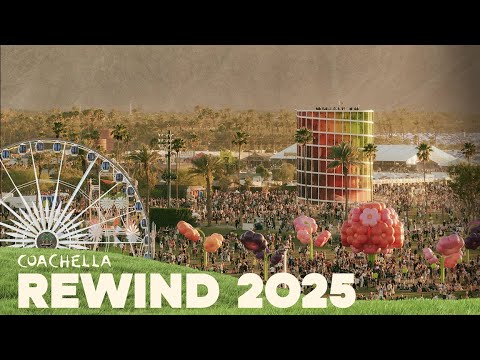
The festival takes place at the Empire Polo Club in Indio, California, a venue that offers expansive lawns, palm trees, and mountain vistas under the desert sun. The setting is both picturesque and challenging: daytime temperatures can soar, while evenings bring cooler desert breezes. This contrast has become part of the Coachella experience, influencing everything from fashion choices to site design.
The festival grounds are meticulously organized into multiple stages and themed zones. Large-scale art installations, often created by international artists, punctuate the landscape, offering both visual spectacle and shaded gathering points. The site also includes interactive structures, light sculptures, and kinetic art, emphasizing the festival’s commitment to creativity beyond music.
Sustainability has become an increasing priority for Coachella’s organizers. Initiatives such as recycling programs, refillable water stations, and partnerships with environmental organizations encourage attendees to minimize their ecological footprint. Carpooling incentives and shuttle services help reduce traffic impact in the surrounding communities.
The venue’s proximity to Palm Springs and other desert towns provides additional lodging, restaurants, and entertainment options, turning the festival weekends into a regional economic and cultural event. Many visitors extend their stay to explore nearby natural attractions, such as Joshua Tree National Park and the San Jacinto Mountains.
Music Style
Coachella’s musical identity is defined by its inclusivity and its ability to absorb and reflect global trends. The festival’s stages are curated to represent the broad spectrum of contemporary sound. Main stages often feature high-production pop and rock acts, while tents like the Sahara and Yuma focus on electronic and dance music. The Mojave and Gobi tents tend to host indie, experimental, and international artists, creating a sonic journey across cultures and genres.
The festival’s programming mirrors the evolution of the music industry itself. As digital streaming and social media have blurred genre boundaries, Coachella has embraced this fluidity. Lineups now feature collaborations between DJs and vocalists, genre-hybrid performances, and cross-cultural fusions that highlight the interconnectedness of global music scenes.
- Electronic Music: The Sahara Tent has become a hallmark for EDM, house, and techno, showcasing both veterans and breakthrough producers.
- Hip-Hop & R&B: Some of the most memorable sets in recent years have come from hip-hop and R&B artists, reflecting the genres’ dominance in global pop culture.
- Rock & Alternative: Although less central than in the early years, rock and alternative acts continue to provide a foundation for Coachella’s identity.
- Global Sounds: Increasingly, the lineup includes Latin, Afrobeat, K-pop, and other international styles, signaling Coachella’s embrace of a global audience.
The result is a festival that feels less like a single-genre event and more like a living map of contemporary music. Each stage tells a different story, and the audience moves fluidly between them, discovering new sounds that might define the next cultural wave.
Crowd & How to Enjoy
Coachella attracts a remarkably diverse audience. Attendees include dedicated music fans, fashion influencers, celebrities, digital creators, and travelers from across the world. This mix creates a unique social dynamic: part concert, part cultural summit. Many visitors see the festival as both a musical pilgrimage and a social experience, where art, performance, and personal expression converge.
The festival’s atmosphere is simultaneously relaxed and high-energy. During the day, attendees often explore art installations, take photos, or lounge at shaded areas. As the sun sets behind the mountains, the energy builds, and the stages come alive with light shows and headline performances. Nighttime at Coachella is a sensory experience of sound, light, and community.
Fashion is another defining aspect. The festival has become synonymous with bohemian-inspired, desert-ready style—flowing fabrics, hats, sunglasses, and creative accessories. Major brands and independent designers alike look to Coachella for inspiration, and the event’s fashion coverage rivals that of major red carpets. However, comfort and practicality remain key; the desert climate demands hydration, sun protection, and breathable clothing.
To truly enjoy Coachella, it helps to balance spontaneity with planning. The festival app provides real-time updates, maps, and customizable schedules, making it easier to navigate the vast grounds. Many attendees plan their days around must-see performances but also leave room for unexpected discoveries—an emerging artist, a hidden art piece, or a late-night DJ set that becomes a highlight.
Tips for First-Timers
For newcomers, Coachella can be both exhilarating and overwhelming. Preparation makes a significant difference in comfort and enjoyment. Below are practical tips that experienced attendees often recommend.
- Plan Ahead: Tickets and accommodations sell out quickly. Register for presales and explore official lodging or camping options early in the year.
- Stay Hydrated: The desert heat can be intense. Bring a refillable water bottle—hydration stations are available throughout the venue.
- Dress Smart: Lightweight, breathable clothing, comfortable shoes, and sun protection (hat, sunglasses, sunscreen) are essential.
- Use the App: The official Coachella app provides schedules, maps, and emergency information. It’s invaluable for navigating the grounds.
- Arrive Early: Gates open in the morning, and arriving early helps avoid traffic and allows time to explore art installations before crowds build.
- Respect the Environment: Dispose of waste properly, use recycling bins, and follow sustainability guidelines promoted by the festival.
- Explore Beyond the Main Stage: Some of the most memorable experiences happen at smaller stages or art spaces away from the main crowds.
- Be Open-Minded: Coachella is about discovery—new sounds, new people, and new perspectives. Embrace the diversity that defines the festival.
Camping on-site offers a communal experience, with shared amenities, morning yoga sessions, and after-hours parties. However, nearby hotels and rental homes in Indio, La Quinta, and Palm Springs provide more comfort for those preferring a quieter retreat after long festival days.
Transportation planning is also crucial. Shuttle passes connect major nearby cities and hotels to the festival grounds, reducing parking stress and environmental impact. Many attendees also use ride-sharing services, though peak hours can lead to long waits, so patience and flexibility are advised.
Useful Links
- Official Coachella Website
- Coachella Official YouTube Channel
- Coachella Instagram
- Coachella Twitter (X)
- Goldenvoice (Festival Organizer)
- Visit Greater Palm Springs
These resources provide official updates, lineup announcements, travel information, and sustainability initiatives. As Coachella continues to evolve, staying connected through these channels ensures accurate, up-to-date information.
Conclusion
The Coachella Valley Music and Arts Festival stands as a symbol of creative freedom, cultural diversity, and global connectivity. From its desert origins to its worldwide digital presence, the festival encapsulates the spirit of contemporary music and art. More than a concert series, it is a living, breathing reflection of how people around the world experience sound, style, and community in the 21st century. Whether one attends in person or watches from afar, Coachella remains a touchstone for understanding the intersection of music, technology, and global culture.
Leave a Reply