Basic Information
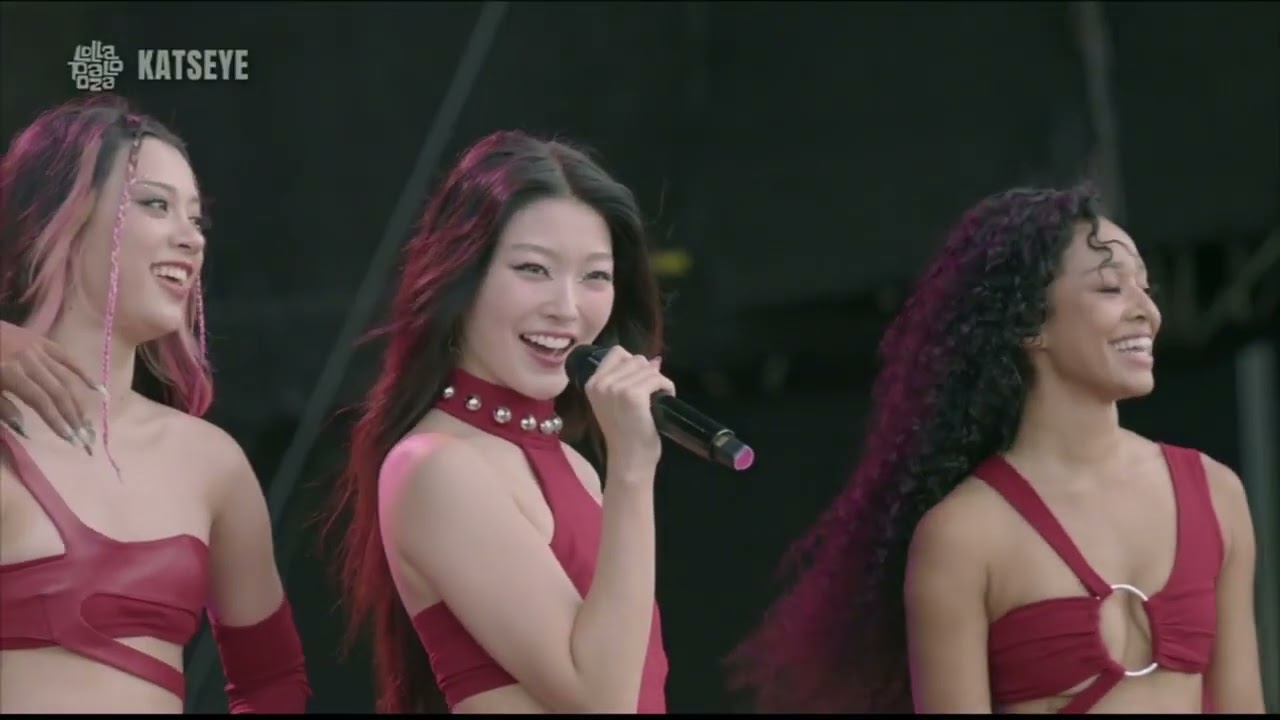
Lollapalooza is a major multi-genre music festival brand founded in 1991 by Perry Farrell, the frontman of Jane’s Addiction. Originally conceived as a touring festival that would bring together alternative rock, punk, hip-hop, and experimental acts across North America, it evolved into one of the most influential urban music events in the world. Since 2005, its main home has been Grant Park in downtown Chicago, Illinois, where it takes place every summer as a four-day festival. Beyond the United States, Lollapalooza has expanded internationally with editions in countries such as Chile, Brazil, Argentina, Germany, France, and Sweden.
The festival’s name, “Lollapalooza,” is an old American slang term meaning “an extraordinary or unusual thing, person, or event.” That sense of exuberance and eclecticism continues to define its identity. From its origins at the heart of the early 1990s alternative rock movement to its current form as a global pop and electronic showcase, Lollapalooza reflects the evolution of mainstream and underground music culture alike.
The Chicago edition is produced by C3 Presents (which also organizes Austin City Limits Music Festival) in partnership with Live Nation. The event typically features over 170 performances across multiple stages, attracting hundreds of thousands of attendees from around the world. In addition to music, it includes art installations, food and beverage areas highlighting local restaurants, and dedicated spaces for non-profit organizations and community engagement.
Notable Lineup Tendencies
Lollapalooza’s lineup philosophy has always been built on diversity. In its early years, the touring festival was synonymous with the rise of alternative rock and the so-called “Generation X” era. Bands like Red Hot Chili Peppers, Pearl Jam, Soundgarden, and Nine Inch Nails became emblematic of its mission to bring non-mainstream music into the spotlight. The inclusion of hip-hop acts such as Ice-T and A Tribe Called Quest also demonstrated the organizers’ commitment to stylistic variety at a time when genre boundaries were more rigid.
After the relaunch as a stationary festival in Chicago, Lollapalooza broadened its scope even further. Today, its lineup typically mixes top-charting pop artists, major hip-hop performers, electronic dance music (EDM) producers, indie rock bands, and emerging acts from around the globe. The festival has become a platform where both legacy artists and new voices can coexist. For example, headliners have ranged from rock icons and electronic duos to mainstream pop singers, while the smaller stages often feature experimental projects, singer-songwriters, and international artists.
Another defining characteristic is the inclusion of genre-blending collaborations. Lollapalooza’s open-minded audience allows for programming that crosses musical boundaries—EDM producers working with rappers, indie bands performing alongside R&B acts, or Latin American artists sharing the bill with American pop stars. The global editions of Lollapalooza further diversify the picture, reflecting local music scenes and incorporating regional talent into the brand’s international identity.
Because of the festival’s reputation for balancing commercial appeal with artistic credibility, performing at Lollapalooza has become a milestone for many artists. It can serve as both a career breakthrough for newcomers and a triumphant return for established acts. The festival’s curatorial approach mirrors broader industry trends: the blending of genres, the rise of digital-native performers, and the increasing global circulation of popular music.
Venue & Environment
Grant Park, located in the heart of downtown Chicago along Lake Michigan, serves as the primary venue for Lollapalooza’s flagship edition. The park’s vast lawns, lakeside views, and proximity to the city’s skyline provide a striking urban backdrop that distinguishes it from many rural or suburban music festivals. The layout typically spans from Buckingham Fountain to the southern edge of the park, with multiple stages distributed across the grounds.
This urban setting is integral to the Lollapalooza experience. Attendees can easily access the site via public transit, bicycles, or on foot, and the surrounding area offers a wealth of hotels, restaurants, and cultural attractions. The festival’s integration into the city’s infrastructure contributes to its identity as a metropolitan celebration rather than a camping event. Once the daily performances conclude, festivalgoers often explore Chicago’s nightlife, from rooftop bars to aftershows held in historic venues like the Metro or the House of Blues.
Environmental initiatives have become a central focus for the organizers. Lollapalooza promotes sustainability through recycling programs, water refill stations, and partnerships with environmental organizations. The “Rock & Recycle” program encourages attendees to collect recyclables in exchange for festival merchandise, while the “Green Street” area showcases eco-friendly vendors and non-profit groups. These measures align with the festival’s broader mission to blend entertainment with social responsibility.
Weather in Chicago during late July or early August can be hot and humid, occasionally punctuated by rainstorms. The park’s open areas provide limited shade, so festivalgoers are advised to bring sunscreen, hats, and reusable water bottles. Despite the large crowds, the event is generally well-organized, with clear signage, medical tents, and accessible routes for mobility-impaired guests. The combination of city energy, lake breezes, and skyline views makes the atmosphere uniquely urban and photogenic.
Music Style
Lollapalooza’s musical identity has evolved alongside global popular culture. In its original incarnation, it was a countercultural statement championing alternative and independent music at a time when mainstream radio was dominated by polished pop and hair metal. The festival became a symbol of the 1990s alternative explosion, helping to solidify the cultural legitimacy of genres such as grunge, industrial rock, and underground hip-hop.
As the industry shifted in the 2000s, so did Lollapalooza. The Chicago edition embraced an eclectic, genre-agnostic approach that mirrors the streaming era’s listening habits. Rock remains a foundation, but the lineup typically includes substantial representation from hip-hop, EDM, pop, and global fusion acts. The festival’s stages are often curated to reflect distinct vibes: one might focus on high-energy electronic sets, another on indie or folk-leaning performers, and yet another on major pop headliners.
The inclusion of electronic dance music in the 2010s marked a turning point, introducing large-scale light shows and DJ performances to the Grant Park setting. Simultaneously, the rise of hip-hop and R&B in mainstream culture has been reflected in increasingly prominent placements for rappers and singers. Latin music, K-pop, and other international genres have also gained visibility, particularly as Lollapalooza expanded globally.
This stylistic breadth ensures that Lollapalooza remains both a mirror and a driver of contemporary music trends. It also underscores the brand’s philosophy: to celebrate all forms of popular music without rigid genre hierarchies. The result is a sonic landscape where guitar-driven bands share space with digital producers, and where fans can discover unexpected sounds between headline sets.
Crowd & How to Enjoy
The Lollapalooza crowd is as diverse as its lineup. Attendees range from longtime rock fans who remember the festival’s early days to younger audiences drawn by pop, hip-hop, and electronic acts. The atmosphere is energetic but generally friendly, reflecting Chicago’s welcoming spirit and the event’s well-established organizational structure. Because the festival is non-camping and located within a major city, it attracts both local residents and international travelers who prefer urban convenience.
Each day begins around midday and continues into the evening, with multiple stages operating simultaneously. Fans often plan their schedules in advance using the official app, which provides set times, maps, and updates. Moving between stages can involve significant walking, so comfortable footwear is essential. The park’s open fields allow for both high-energy dancing near the front and more relaxed viewing from shaded areas or grassy slopes.
Beyond the music, Lollapalooza emphasizes community and lifestyle. The “Chow Town” food area features local restaurants and chefs, offering a taste of Chicago’s culinary diversity—from deep-dish pizza to gourmet vegan options. Art installations, sponsor activations, and photo zones add visual variety and interactive experiences. Families can visit “Kidzapalooza,” a dedicated area with performances and activities suitable for children, reinforcing the festival’s inclusive ethos.
Evenings often continue with official aftershows throughout Chicago. These smaller concerts allow fans to see artists in intimate venues and extend the festival vibe into the city’s nightlife. For many, the combination of daytime performances in Grant Park and nighttime club events defines the complete Lollapalooza experience.
To fully enjoy the event, pacing and preparation are key. Staying hydrated, taking breaks, and exploring different stages help prevent fatigue. The festival’s design encourages discovery—many attendees find new favorite artists by wandering into smaller sets between major headliners. Whether one is drawn by nostalgia, curiosity, or pure fandom, the communal excitement of tens of thousands of people gathered in the heart of Chicago creates a distinctive sense of unity.
Tips for First-Timers
- Plan Ahead: Study the map and schedule before arriving. The festival grounds are large, and overlapping sets are common. Knowing your must-see acts and alternative options helps maximize the experience.
- Arrive Early for Popular Acts: Headliner crowds can swell quickly. If you want a close view, arrive at the stage well before the set begins.
- Stay Hydrated: Bring a reusable water bottle—refill stations are available throughout the park. Chicago’s summer heat can be intense.
- Dress for Comfort: Light clothing, sunscreen, sunglasses, and comfortable shoes are essential. Rain ponchos can be useful for sudden showers.
- Use Public Transportation: Parking near Grant Park is limited and expensive. The Chicago Transit Authority (CTA) trains and buses offer convenient access.
- Explore Chow Town: Sample local cuisine instead of relying solely on standard festival fare. It’s part of what makes Lollapalooza distinctively Chicagoan.
- Respect the Environment: Participate in recycling programs and use refill stations. Keeping the park clean contributes to the festival’s sustainability goals.
- Download the Official App: The app provides live updates, emergency alerts, and customizable schedules—especially useful for navigating large crowds.
- Check Aftershows: Many artists perform additional gigs at local venues. Tickets often sell out quickly, so plan early if you want to attend.
- Embrace Variety: Don’t stick to one stage or genre. Some of the most memorable moments come from discovering new artists by chance.
Leave a Reply