Basic Information
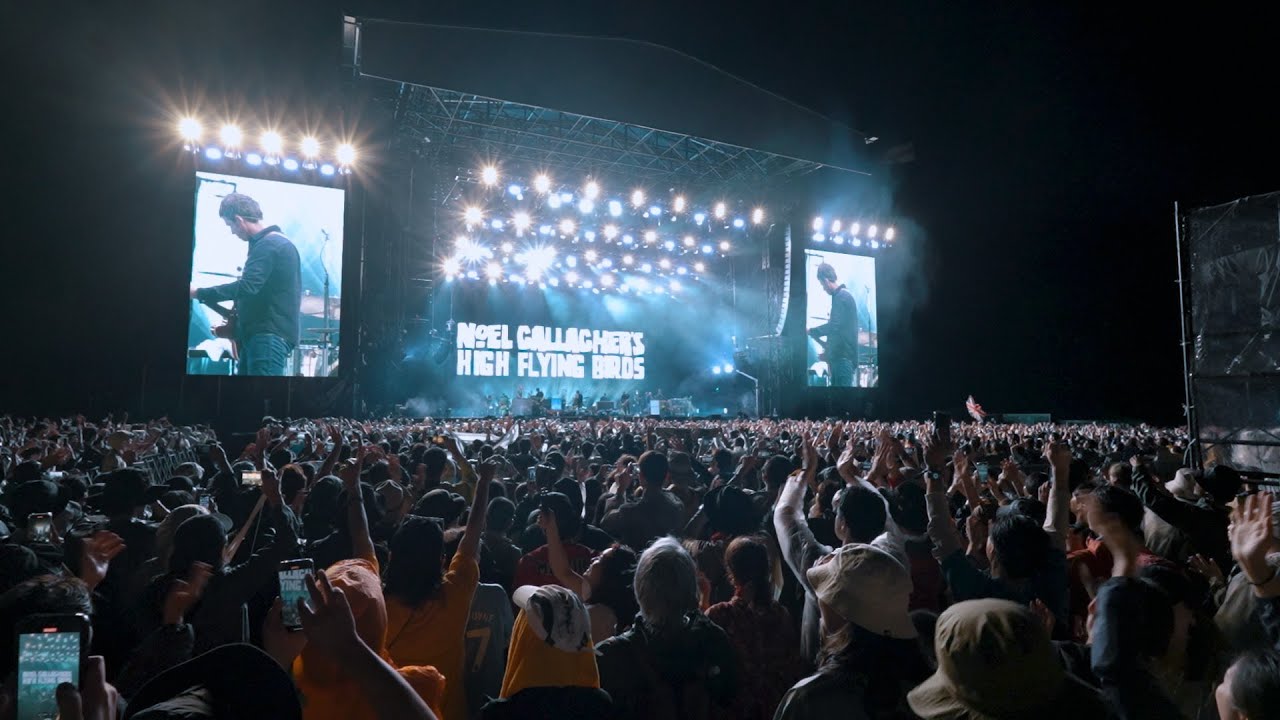
The Fuji Rock Festival is one of Japan’s most celebrated outdoor music events, held each summer at the Naeba Ski Resort in Niigata Prefecture. Despite its name, the festival has taken place in the mountains of Naeba since 1999, following its inaugural edition at the base of Mount Fuji in 1997. The move to Naeba was prompted by logistical and weather challenges at the original site, and the new mountain setting has since become integral to the festival’s identity.
Organized by Smash Japan, Fuji Rock is often regarded as Asia’s premier large-scale outdoor rock festival. It typically takes place over three days in late July, attracting tens of thousands of visitors from Japan and abroad. The event is renowned for its blend of international headliners, cutting-edge Japanese acts, and its deep respect for nature and community spirit.
Fuji Rock’s reputation extends beyond its lineup. The festival’s eco-conscious philosophy—emphasizing recycling, waste reduction, and harmony with the environment—has made it a model for sustainable event management in Japan. Its slogan, “A festival in harmony with nature,” reflects a commitment to both music and the mountain landscape that hosts it.
Notable Lineup Tendencies
Over the years, Fuji Rock has built a reputation for curating a lineup that balances global superstars with emerging and experimental artists. While the exact roster changes annually, several tendencies define the festival’s programming approach:
- International Headliners: Fuji Rock regularly features major rock, pop, and electronic acts from around the world. Legendary performers who have graced its stages include artists and bands representing diverse genres—from alternative rock icons to influential electronic producers.
- Japanese Talent: The festival is equally devoted to showcasing domestic artists. From established J-rock and J-pop bands to underground scenes such as indie, punk, and traditional crossovers, the event highlights the richness of Japan’s contemporary music culture.
- Genre Diversity: Although “rock” is in the name, the festival embraces a wide range of genres. Attendees can move from folk to techno, reggae to jazz, or psychedelic to world music, often within a single day’s schedule.
- Stage Personalities: Each stage has a distinct atmosphere. The Green Stage hosts the biggest acts and crowds, while the White Stage and Red Marquee attract fans of indie, electronic, and alternative sounds. The Field of Heaven and Gypsy Avalon stages emphasize acoustic and world music, creating a relaxed, organic vibe.
- Late-Night Culture: After dark, the Rookie A Go-Go stage spotlights unsigned and emerging artists, offering a chance to discover future stars. The Palace of Wonder and Crystal Palace Tent transform into lively nocturnal hubs featuring cabaret, circus acts, and DJ sets.
This eclectic approach has allowed Fuji Rock to maintain both credibility among music aficionados and broad appeal to mainstream audiences. Its curatorial philosophy values artistic quality, cultural diversity, and the joy of discovery.
Venue & Environment
Naeba Ski Resort, nestled in the mountains of Yuzawa, Niigata, is an ideal setting for an outdoor festival. Surrounded by dense forests, rivers, and rolling hills, the site provides a refreshing contrast to Japan’s urban landscapes. The festival grounds are spread over a large area, with stages connected by forest trails, suspension bridges, and walkways that meander through lush greenery.
The natural environment is both a challenge and a charm. Summer in Niigata can bring sudden rain showers, mist, and cool mountain air. Attendees often experience the full range of weather—from bright sunshine to heavy rain—during the three-day event. This unpredictability has become part of the festival’s mythology, with seasoned attendees coming prepared for any conditions.
Fuji Rock’s organizers place strong emphasis on environmental stewardship. The site features comprehensive recycling systems, reusable cups, and volunteer teams promoting waste separation. The “Fuji Rockers Forest Project” supports reforestation and local environmental education. As a result, the festival is frequently cited as one of the cleanest large-scale music events in the world.
Camping is a central aspect of the Fuji Rock experience. The main campsite, located near the base area, fills quickly, offering a communal atmosphere where fans share meals, stories, and music. For those seeking comfort, local lodges and hotels in Naeba and nearby Yuzawa provide accommodation options ranging from traditional ryokan to modern resorts. Shuttle buses connect these areas with the festival grounds.
Music Style
The musical range of Fuji Rock is remarkably broad. While rooted in rock, the festival has expanded to include a spectrum of genres that reflect both global trends and Japan’s unique musical landscape. This diversity ensures that every attendee can find something that resonates with their taste.
- Rock and Alternative: The festival’s foundation lies in guitar-driven music—from classic rock to indie and post-rock. These acts often headline the Green and White stages, delivering the kind of high-energy performances that define Fuji Rock’s identity.
- Electronic and Dance: The Red Marquee and late-night zones pulse with DJs and producers from Japan and abroad. Electronic music has become increasingly prominent, with genres ranging from techno and house to experimental ambient.
- World and Folk: The Field of Heaven stage celebrates roots music, reggae, and global rhythms. Acoustic sets, folk duos, and world ensembles perform in a natural amphitheater surrounded by trees, offering a tranquil counterpoint to the main stages.
- Jazz, Funk, and Crossover: Fuji Rock’s programming often includes genre-defying artists who blend jazz, funk, and soul. These performances attract audiences seeking groove-oriented sounds and improvisational flair.
- Experimental and Indie Scenes: The festival has long supported underground movements, introducing Japanese and international acts that challenge musical boundaries. This openness has made Fuji Rock a hub for discovery and artistic exchange.
The result is a musical ecosystem where mainstream and avant-garde coexist. The festival’s soundscape mirrors Japan’s cultural openness and its role as a bridge between East and West.
Crowd & How to Enjoy
Fuji Rock draws a diverse audience that reflects both Japan’s cosmopolitan music scene and the festival’s international reach. Attendees include dedicated music fans, families, local residents, and travelers from around the world. The crowd is known for its friendliness and respect for the environment—traits that contribute to the festival’s relaxed and welcoming atmosphere.
The festival encourages exploration. With multiple stages operating simultaneously, visitors often wander from one area to another, discovering new artists along forest paths and riverside trails. Beyond music, Fuji Rock offers art installations, workshops, food stalls, and chill-out zones that highlight regional culture and sustainable living.
- Family-Friendly Spaces: Designated areas such as the Kids Land provide activities for children, making Fuji Rock accessible to families.
- Food and Drink: The festival’s culinary offerings are famous among attendees. Vendors serve Japanese festival staples—ramen, curry, yakitori—as well as international dishes and vegetarian options. Local Niigata rice and sake are popular treats.
- Art & Relaxation: Alongside the music, attendees encounter art installations, hammocks, and natural resting spots. These spaces encourage reflection and connection with nature.
- Nighttime Magic: After sunset, the forest paths light up, and the atmosphere transforms into a dreamlike landscape. Late-night performances, DJ sets, and impromptu jam sessions continue until dawn.
Part of the joy of Fuji Rock lies in embracing unpredictability—whether that means dancing in the rain, discovering an unknown band, or sharing food with new friends. The festival’s community spirit is often described as its greatest strength.
Tips for First-Timers
Attending Fuji Rock for the first time can be a transformative experience, but preparation is key. The combination of mountain weather, large crowds, and long days requires both planning and flexibility. Below are some practical tips to ensure a smooth and enjoyable visit:
- Plan Accommodation Early: Lodging in Naeba and nearby Yuzawa fills up months in advance. Decide whether you prefer camping or staying in a hotel, and secure reservations early.
- Prepare for All Weather: Rain gear is essential. Bring waterproof boots, a poncho, and quick-drying clothing. The mountain climate can shift rapidly, with chilly nights even in midsummer.
- Stay Hydrated and Energized: The festival grounds are extensive, so bring a refillable water bottle and snacks. Energy levels can drop quickly when walking between stages.
- Use the Shuttle System: Shuttle buses operate between Echigo-Yuzawa Station and the festival site. Purchasing shuttle tickets in advance helps avoid long queues on arrival day.
- Respect the Environment: Follow the festival’s recycling rules and carry your trash to designated areas. Keeping the venue clean is a shared responsibility.
- Explore Beyond the Main Stages: Some of the most memorable moments occur at smaller stages or along forest trails. Don’t hesitate to wander and discover.
- Cash and Connectivity: While some vendors accept electronic payment, cash remains widely used. ATMs may be limited, so plan accordingly. Mobile signal can fluctuate in the mountains.
- Health and Safety: Pace yourself, especially in hot weather. Medical tents and staff are available, but personal care—sunscreen, rest, hydration—is crucial.
- Join the Community Spirit: One of Fuji Rock’s charms is the sense of camaraderie among attendees. Greet your neighbors, share supplies, and embody the festival’s cooperative ethos.
By embracing these practical and cultural aspects, first-time visitors can fully appreciate what makes Fuji Rock unique—a balance of world-class music, natural beauty, and communal joy.
Useful Links
- Official Fuji Rock Festival Website
- Official Fuji Rock Twitter (X)
- Official Fuji Rock Instagram
- Smash Japan (Festival Organizer)
- Yuzawa Onsen Tourism Association (Local Information)
For the latest updates, travel guidance, and lineup announcements, refer to the official channels above. Fuji Rock continues to evolve as a global gathering that celebrates music, nature, and the enduring spirit of community in the Japanese mountains.
Leave a Reply