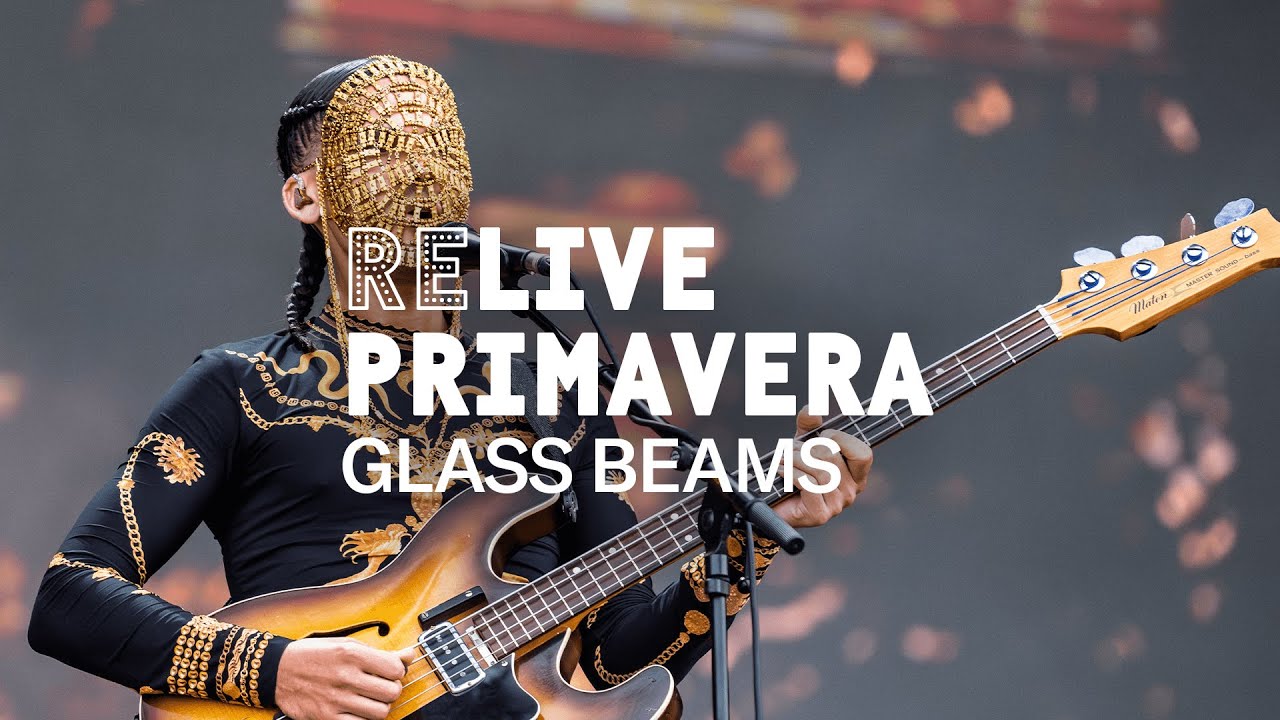
Basic Information
Primavera Sound is one of Europe’s most influential music festivals, held annually in Barcelona, Spain. Since its inception in 2001, the event has grown from a modest gathering for local indie fans into an internationally acclaimed celebration of alternative and cutting-edge music. The festival typically takes place in late May or early June, marking the beginning of the European summer festival season. Its home is the Parc del Fòrum, a striking waterfront venue in Barcelona’s Sant Adrià area, which provides a distinctive urban backdrop for days and nights of live music.
The festival’s name, “Primavera,” means “spring” in Spanish, symbolizing renewal and discovery—two qualities that have defined its evolution. While many large-scale festivals focus on mainstream headliners, Primavera Sound has built its reputation on curating adventurous, genre-spanning lineups that balance legendary acts with emerging artists. Over the years, it has become a meeting point for fans, musicians, and industry professionals who value artistic integrity and musical exploration.
Primavera Sound is organized by Primavera Sound S.L., a Barcelona-based company that also runs the record label and booking agency Primavera Labels and the technology-oriented conference Primavera Pro. The festival’s influence extends beyond Spain, with sister editions launched in cities such as Porto (Portugal), Madrid, and even Latin America, including Buenos Aires, São Paulo, and Bogotá. Despite this international expansion, the Barcelona edition remains the flagship event, celebrated for its unique combination of cosmopolitan energy, seaside setting, and forward-thinking programming.
Notable Lineup Tendencies
Primavera Sound is widely recognized for its curatorial approach rather than for any single headline act. Each edition is designed to reflect the changing landscape of global music, blending established icons with the most interesting new voices across genres. The festival’s booking philosophy emphasizes musical diversity and artistic credibility, often bringing together acts that rarely share the same bill elsewhere.
Over the years, Primavera Sound has hosted a remarkable range of artists representing indie rock, electronic music, experimental pop, hip hop, and many hybrid forms. Legendary alternative bands, cult favorites, and underground innovators often coexist on the same stage roster. The festival has become a rite of passage for many indie and alternative musicians who, after building dedicated followings, make their major European festival debut at Primavera.
One of the defining features of Primavera Sound’s lineup is its commitment to gender balance and inclusivity. In 2019, the festival announced a milestone by presenting a lineup that achieved near gender parity—a move that positioned it as a leader in promoting equality within the live music industry. This progressive stance continues to shape its identity, influencing other festivals to follow suit.
Beyond gender equity, Primavera Sound is known for its genre-fluid booking. While guitar-driven indie remains a core component, the festival has embraced electronic producers, experimental composers, and global pop innovators. This open-mindedness has allowed it to capture the zeitgeist of contemporary music more accurately than many peers. Whether showcasing noise rock veterans, ambient pioneers, or avant-garde rappers, Primavera Sound consistently offers a panoramic view of modern sound culture.
Venue & Environment
The festival’s main site, Parc del Fòrum, is a modern architectural complex located by the Mediterranean Sea. Built for the 2004 Universal Forum of Cultures, it features expansive concrete terraces, open-air plazas, and striking geometric structures that lend a futuristic atmosphere. The venue’s proximity to the water provides cooling breezes and stunning coastal views, especially at sunset when the city’s skyline glows in the distance.
Parc del Fòrum is well-suited for large-scale events, offering multiple stages spread across a vast area. The main stages are positioned near the waterfront, while smaller stages and DJ areas are tucked into different corners, creating distinct sonic environments. The site’s design allows for smooth crowd movement and clear sound separation between stages, a crucial factor for a festival with such a diverse lineup.
In addition to the main festival grounds, Primavera Sound often extends into the city through club shows, pre-parties, and after-hours events. These satellite activities transform Barcelona into a week-long celebration of music and creativity. Local venues such as Sala Apolo and Razzmatazz frequently host associated performances, allowing attendees to explore the city’s nightlife and musical heritage.
Accessibility is another key consideration. The venue is reachable via public transportation, including metro, tram, and bus lines. The organizers also provide guidance for attendees with mobility needs, ensuring that stages, rest areas, and services are inclusive and easy to navigate. Sustainability initiatives—such as waste reduction, reusable cup systems, and environmentally conscious food vendors—have become increasingly visible in recent editions, reflecting a growing commitment to responsible event management.
Music Style
Primavera Sound’s artistic identity is rooted in the independent and alternative scenes, but its scope extends far beyond those categories. The festival’s curators take pride in bridging the gap between underground experimentation and broader cultural relevance. As a result, the soundscape of Primavera Sound is eclectic yet coherent, unified by an ethos of discovery.
The indie and alternative rock tradition remains at the festival’s core. Many attendees associate Primavera Sound with the golden era of 1990s and 2000s indie, when bands from the United States, the United Kingdom, and continental Europe helped define the modern festival aesthetic. Yet, electronic music has also become a major pillar, ranging from ambient sets and modular synth performances to club-oriented techno and house.
Hip hop and R&B have gained a stronger presence in recent years, reflecting the genre’s global dominance and its crossover with experimental production. Similarly, Latin alternative, global pop, and hybrid electronic acts have expanded the festival’s cultural reach, resonating with Barcelona’s diverse population and international visitors. This blend of styles makes Primavera Sound a microcosm of contemporary music, where genre boundaries blur and creativity thrives.
Sound quality is a hallmark of the festival. Each stage is equipped with high-end audio systems designed to deliver clarity and depth, even in open-air conditions. The organizers are known for prioritizing acoustics and stage design, ensuring that performances maintain their artistic integrity. This attention to sonic detail is part of what attracts discerning listeners who value the nuances of live sound.
Crowd & How to Enjoy
The Primavera Sound audience is a cosmopolitan mix of music enthusiasts from around the world. While many attendees come from Spain, a significant portion travel from the United Kingdom, France, the United States, Japan, and other countries. The festival’s reputation as a tastemaker event draws a community of listeners who are deeply engaged with music culture—fans who read liner notes, follow independent labels, and discover new artists through word of mouth.
Because of its diverse lineup, the crowd encompasses a wide range of ages and backgrounds. You will find veteran concertgoers who have attended since the early 2000s alongside younger fans experiencing their first major festival. The atmosphere is generally relaxed and respectful, focused more on listening and discovery than on spectacle or partying. That said, the late-night sets and beachside location ensure that there is still plenty of energy and celebration.
Enjoying Primavera Sound often means embracing its marathon-like schedule. With performances running from late afternoon until dawn, pacing is essential. Many attendees plan their itineraries carefully, balancing must-see acts with moments of rest and exploration. The festival’s app and printed guides help visitors navigate overlapping performances and find amenities such as food stalls, chill zones, and merchandise stands.
Food and drink options reflect Barcelona’s culinary scene, offering a mix of local specialties and international cuisine. From tapas and paella to vegan street food, the variety caters to different tastes and dietary needs. Bars serve local beers and cocktails, while water stations are available throughout the site. The Mediterranean climate can be warm even at night, so staying hydrated and protected from the sun during daytime sets is essential.
Beyond the music, the festival’s seaside location provides opportunities for relaxation. Some attendees spend mornings at the beach or exploring the city’s architecture before heading to the Parc del Fòrum in the afternoon. The combination of urban culture, coastal beauty, and musical immersion is part of what makes Primavera Sound unique. For those who value both intellectual and sensory experiences, the festival offers a perfect balance.
Tips for First-Timers
- Plan Your Schedule: With dozens of artists performing each day, overlapping sets are inevitable. Use the official app or website to create a personalized timetable and prioritize your must-see acts.
- Arrive Early for Key Performances: Popular artists can draw large crowds. Arriving early ensures a good viewing spot and helps you get familiar with stage locations.
- Stay Hydrated and Protected: Barcelona’s late-spring weather can be sunny and warm. Bring sunscreen, a hat, and a reusable water bottle if permitted.
- Use Public Transport: The festival site is well-connected by metro and tram. Avoid driving, as parking near Parc del Fòrum can be limited.
- Discover New Artists: One of Primavera Sound’s greatest joys is stumbling upon unexpected performances. Don’t focus solely on headliners—explore smaller stages and emerging talent.
- Take Breaks: The festival schedule extends into the early morning hours. Find time to rest, eat, and recharge to make the most of the multi-day experience.
- Explore Barcelona: Allocate extra days before or after the festival to enjoy the city’s art, architecture, and gastronomy. Visiting Gaudí landmarks, local markets, or the Gothic Quarter adds depth to your trip.
- Respect the Environment: Use recycling bins, follow sustainability guidelines, and respect the local neighborhood. The festival’s green initiatives depend on collective participation.
For first-timers, Primavera Sound can feel overwhelming due to its scale and variety, but preparation goes a long way. The event’s organization is generally efficient, with clear signage, friendly staff, and reliable transportation. Embrace flexibility—some of the most memorable moments happen when plans change and you discover something unexpected.
Useful Links
- Official Primavera Sound Website
- Primavera Sound on Instagram
- Primavera Sound on X (Twitter)
- Primavera Sound on Facebook
- Barcelona City Official Website
- Barcelona Public Transport (TMB)
These links provide reliable information about festival updates, travel logistics, and city services. Always refer to the official Primavera Sound website for the latest announcements, ticketing policies, and safety guidelines.
Leave a Reply